It is no secret that pig farming must continue to evolve. The question is whether to simply react to political and social pressure on animal welfare and environmental protection issues or to proactively set goals yourself. “With our own vision of what pig farming should look like in 30 years' time, it will be easier to agree with politicians on feasible content and reasonable timetables,” says Søren Søndergaard, chairman of the Danish Agricultural and Food Industry Association. How exactly are pig farmers in northern Europe positioning themselves?
As a pig farmer, doing nothing is not an option
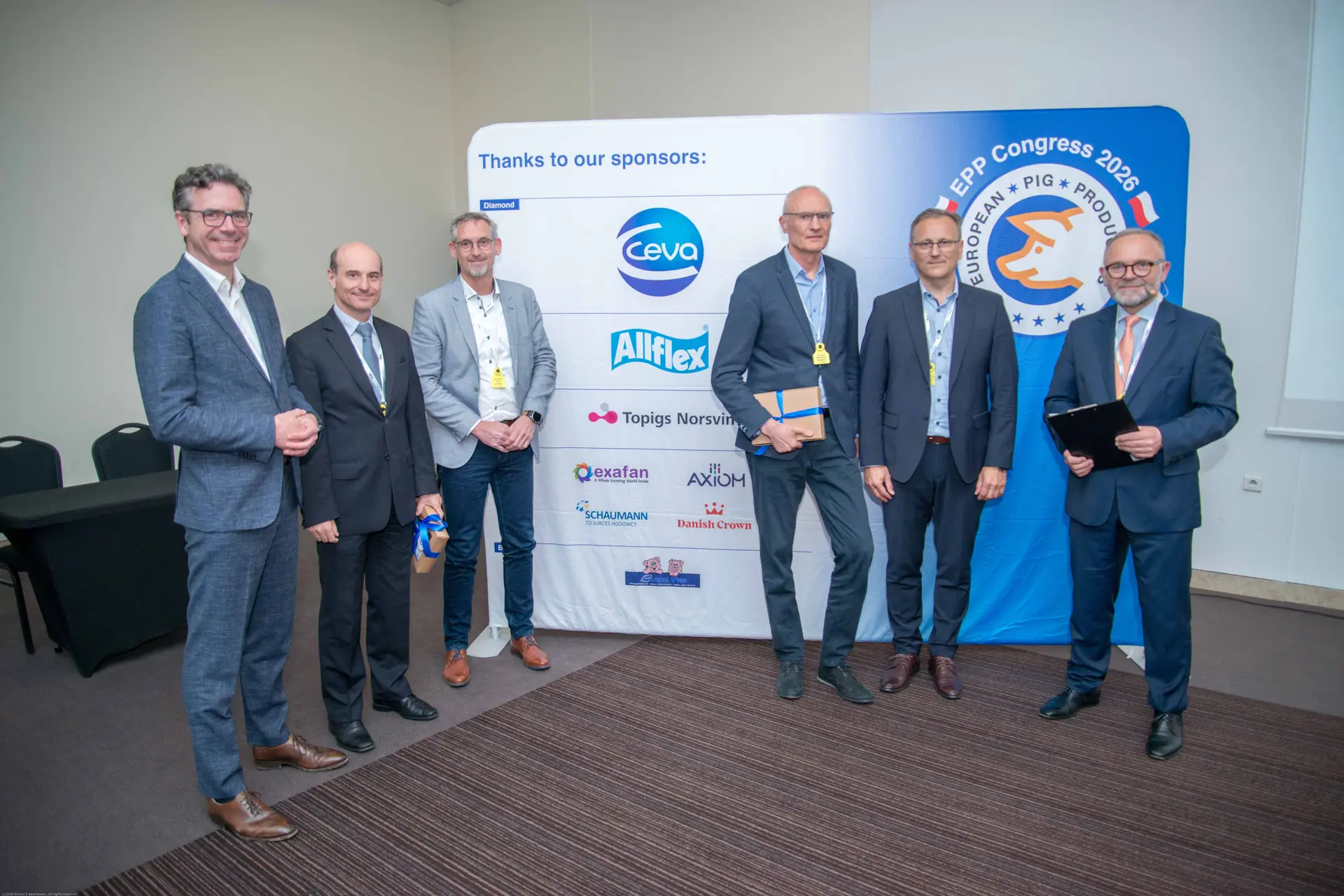
In November 2024, the government, together with a majority in parliament, concluded the so-called tripartite agreement, which sets out comprehensive goals in the area of nature conservation and water quality preservation. Among other things, the area covered by nature reserves is to be almost doubled and 250,000 hectares of new forest planted. These plans inevitably have consequences for pig farmers, as production in Denmark is exclusively land-based. In addition, a climate tax will come into effect in 2030, which will also affect pig farming. The agricultural sector was at the negotiating table and had the choice of shaping the agreement itself or implementing what others had come up with. “We have actively helped to shape the path of change in a way that is, above all, practical, while always focusing on maintaining competitiveness,” said Søndergaard at the 2025 congress of European Pig Producers (EPP) in Kolding, Denmark. He is himself a farmer and pig farmer.
The Danish pig farming industry is important
The Danish government has a clear interest in keeping pig farming in the country, as the industry is economically significant. “We will never be able to compete with the low feed and labour costs in Brazil or the USA. Production efficiency is therefore a prerequisite for our competitiveness,” says Christian Fink Hansen, Head of Pig Production at the Danish Agriculture & Food Council. What he means is that high biological performance (number of piglets, daily weight gains) must remain possible. These are the basis for the economic success of Danish pig production. In return, the industry offers this vision for 2050:
- pigs run freely in all areas of the barn,
- the animals have intact tails and male animals are not castrated,
- production takes place with the lowest loss rates and the highest health status worldwide, and
- it is climate neutral.
The goals are ambitious, but the main thing is to take concrete steps towards achieving them. If new insights are gained in the process, adjustments can be made.
Specifically, there are three main issues: 1. Animal welfare, 2. Livestock health and 3. Climate protection:
1. Animal welfare
Exercise pens that restrain sows around the time of birth are initially covered by the definition of "free range”. It is also possible to restrain sows for a short period of time for insemination.
A first step towards expanding the ban on tail docking is a three-year compensation programme recently launched by the industry to increase the number of undocked pigs. Interested sow farmers can participate in a bidding process to indicate the price at which they are willing to refrain from tail docking. Based on the bids received, applicants are selected starting with the lowest bid until the desired number of animals (1 million for 2026) is reached. The final bid determines the amount of compensation. This is a market-based approach that also reveals the actual costs of not docking tails. It provides a good basis for deciding how much this measure is worth to policymakers.

Immunocastration: Vaccinated boars are more efficient
At the European Pig Producers (EPP) congress in Denmark, almost all speakers emphasised that efficient production is the basis for economically sustainable pig production in Denmark. This is also associated with a very low carbon footprint of 2.6 kg CO2/kg meat (according to Danish Crown). Jesper Bisgaard Sanden, a veterinary specialist for pigs, is convinced that there is further potential to be tapped in the rearing of boars: “Daily weight gains of 1,300 g in fattening with a feed conversion ratio of 2.3:1 are feasible. However, we must prevent boar taint at all costs – this can be ensured by immunocastration.’”
However, vaccinated piglets are currently not desired for export. In contrast, immunocastrates can be sold without any problems at the three Danish slaughterhouses. Steen Sønnichen, managing director of the Danish Tönnies slaughterhouse Tican, confirms this: “We are happy to take more of them! Consumers have no problem with this. This also applies to exports to third countries.”

2. Livestock health
The Danish pig industry has begun a PRRS eradication programme: by 2030, all farms in Denmark should be free of the virus. In order to implement this programme, pig farmers have been legally obliged by the state to have the status of their herds recorded. The reduction of PRRS in Denmark is intended to improve animal health and thus prevent negative effects on productivity (fewer losses, stabilisation of profitability).
Another goal is to further reduce the use of antibiotics. This is already very low in Denmark compared to other European countries. Per kg of animal biomass, only about half the amount of active ingredient used in Germany is consumed there. The ban on high doses of zinc oxide for weaning diarrhoea, which has been in force in the EU since 2022, led to the discontinuation of a more or less common practice in Denmark. In terms of antibiotic consumption, this was reflected in an increase in the amount used in pigs, but only in the single-digit percentage range. The industry was then given a new target of reducing antibiotics by 8 % by 2027 compared to 2018.

Danger from animal diseases
African swine fever (ASF) in particular poses a major threat to Danish pig production. There are fears about the economic consequences of an outbreak in the country due to its extreme dependence on exports. A fence was built on the border with Germany in 2019 to keep out wild boars, which are potential carriers of the virus. Of course, roads, for example, create gaps in this barrier. The fence is therefore certainly not the ultimate protection against ASF. However, this measure is an important selling point to third countries that import Danish pork.
It is much more likely that ASF viruses and other pathogens will be introduced through the lively transport of live animals when piglets and fattening pigs are exported to neighbouring European countries. In order to protect Danish pig farms as best as possible, cleaning and disinfection of empty transport vehicles is mandatory. Transporters can obtain the certificate required to load animals in Denmark again at one of the stations in Padborg (border crossing via A 7 Flensburg) or Naskov (border crossing via Fehmarn). Cleaning is carried out by the driver and takes around five hours to meet the high hygiene standards required for inspection. The trucks are disinfected by station staff. The system is financed by a levy fund to which all pig farmers contribute.
3. Climate protection
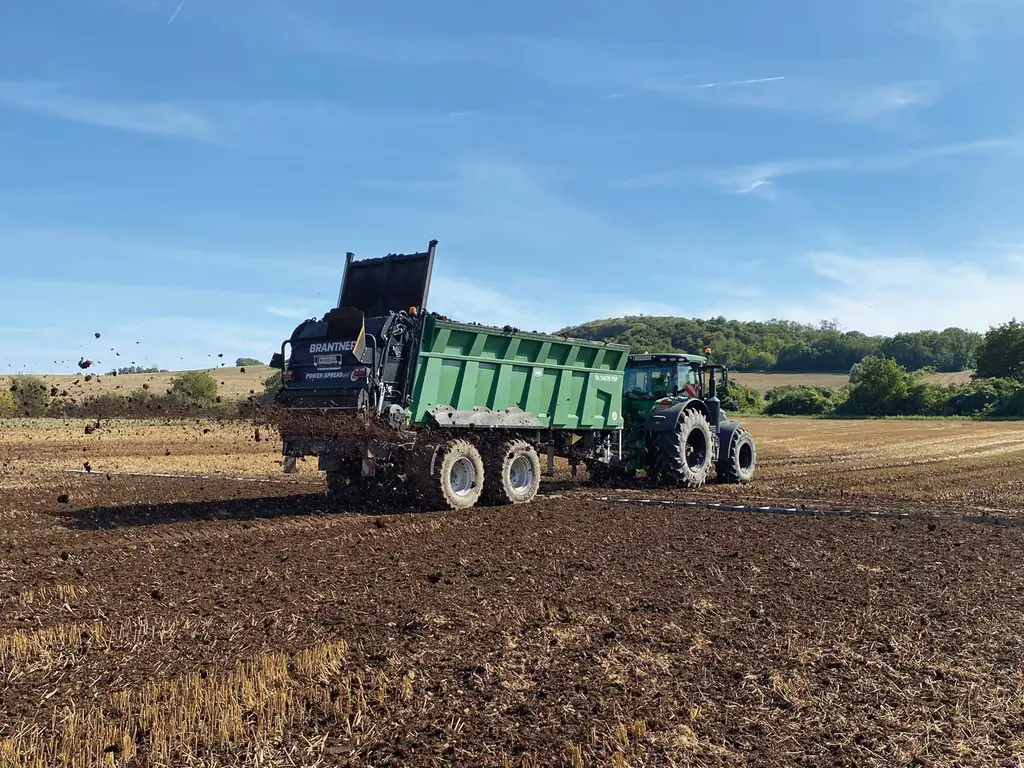
One building block on the path to climate neutrality is the CO2 tax on emissions from livestock housing and slurry stores. The aim is that no farm will have to pay this tax. Instead, the incentive is to reduce emissions by 40 % by 2030 with the help of government subsidies. This is because the tax is only payable if the 60 % allowance of the specified standard emissions is exceeded. According to Danish calculations, emissions from pigsties can be reduced by 65 to 90 % through improved manure management.

Conclusion
The pig industry in Denmark takes a lot of responsibility for achieving social goals in the area of animal welfare and environmental protection. This may sound like anticipatory obedience, but it gives the industry the freedom to pursue practical approaches instead of being dependent on the wording of the law once it has been adopted. In addition, many of the goals are not legally binding and are therefore “negotiable” if necessary.