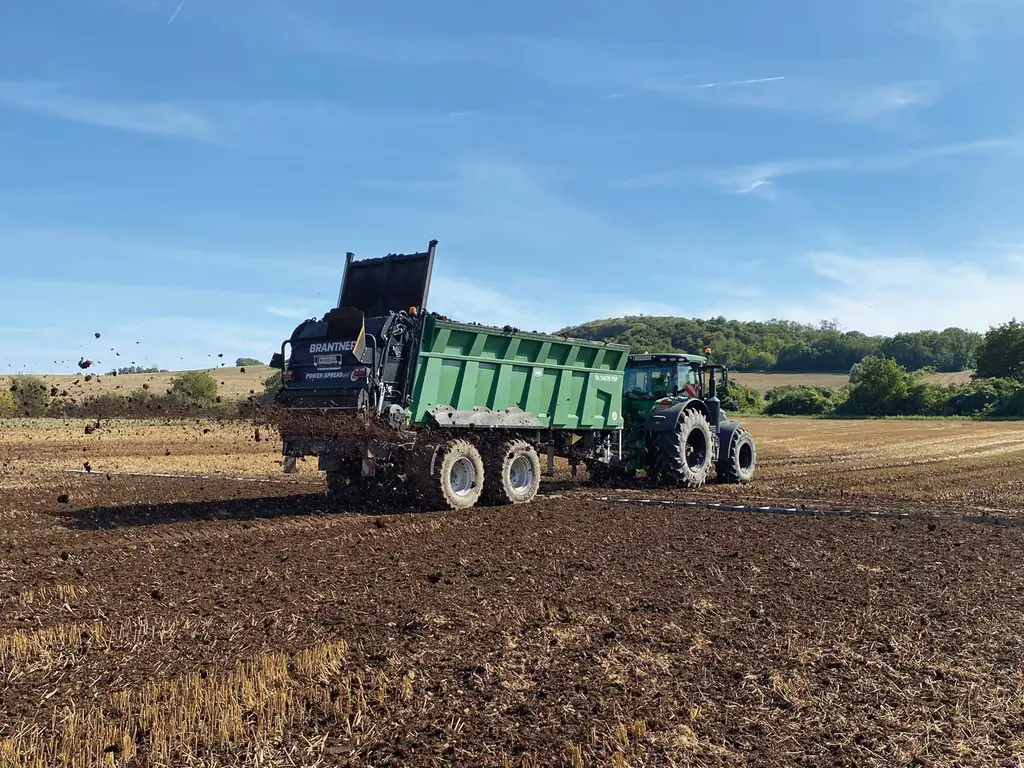
The next DLG Field Days will take place from 20 to 22 June 2028 in North Hesse. The venue is the Hessian State Estate at Beberbeck, near Kassel/ Germany
This time, Wilhelm Bommers, farmer from Belgium, shares why he joined the EAF, what he values about the club, and which topics the network should focus on in the near future.
Three winners of the Women in Ag Award share their business models, experiences and practical insights – and demonstrate how entrepreneurship, innovation and sustainability are creating new opportunities for climate-resilient agriculture and sustainable markets in Asia.
Palle Jakobsen, founder and chief analyst at Agrocom, on price outlooks, market cycles and the importance of margins and cash flow for European arable farms
A comfortable cubicle is a key factor in animal welfare in cubicle-based housing systems. This article explains how the elasticity, deformability, slip resistance and durability of cubicle flooring are assessed, and what is important when implementing these measures in practice on the farm.
Arnaud Meurisse, farmer from France, gives insight into his farm, the decisions he faces, and the wider developments shaping European agriculture today.
Four days in the Baltic States yielded a wealth of insights: in June 2026, the DLG Club Euro-pean Arable Farmers (EAF) travelled to Latvia and Lithuania.