

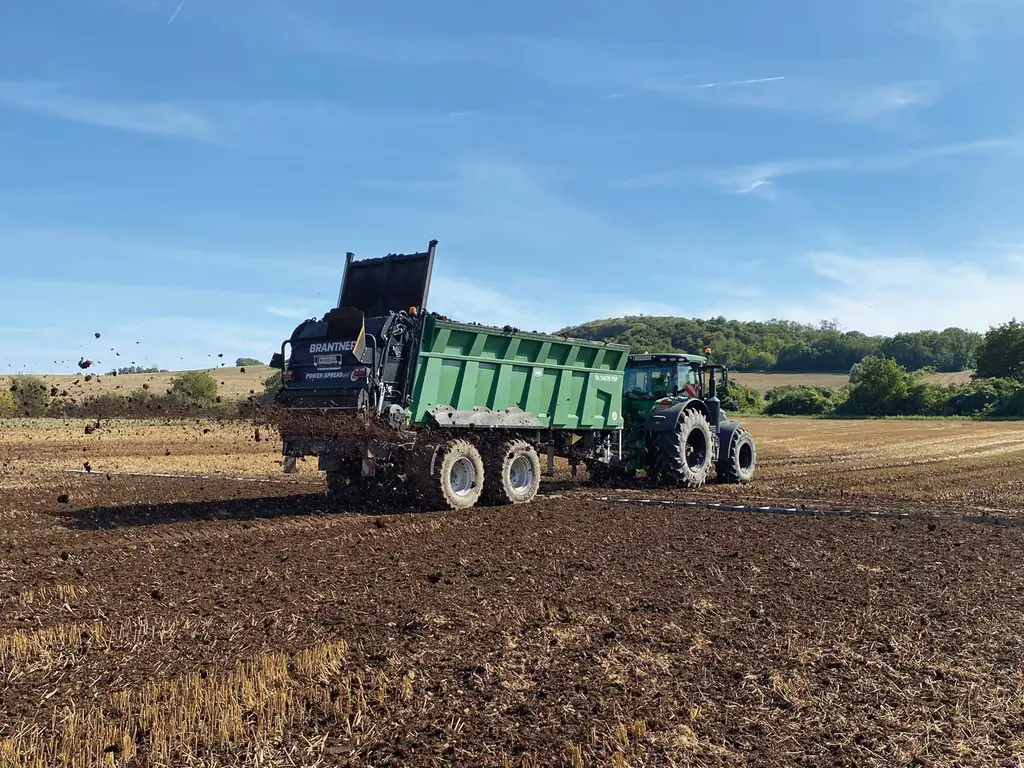

The DLG (German Agricultural Society) has announced the winners of the International FoodTec Award 2027. This time, 21 innovation projects from the international food and supplier industry will be honored with this renowned prize. Five innovations receive the International FoodTec Award in gold, 21 innovations receive the award in silver. The prize winners include companies from Austria, Belgium, Denmark, Finland, Italy, Sweden, Switzerland and Germany.
Award Ceremony @Anuga FoodTec
The award ceremony took place within the framework of Anuga FoodTec 2027, the International Trade Fair for Food and Drink Technology.


AddCool® - high temperature heat pump integrated in an industrial dairy spray dryer
GEA Process Engineering A/S, Søborg, Denmark
Industrial spray drying in the dairy industry poses a major challenge for decarbonization due to its high thermal energy demand and the process temperatures required. Conventionally, the primary hot air supply relies predominantly on fossil fuels - specifically natural gas - resulting in significant CO₂ emissions.
The GEA AddCool® system addresses this issue by integrating a high-temperature heat pump into an existing industrial spray dryer, thereby significantly reducing the demand for fossil-based energy. Its key innovation lies in the first-ever industrial-scale integration of a high-temperature heat pump into a continuous spray drying process. GEA AddCool® combines heating and cooling within a single system: process waste heat is recovered, boosted to temperatures of up to 130°C, and fed back into the process, while simultaneously providing usable cooling capacity. This systemic integration significantly improves energy efficiency and reduces reliance on fossil fuels. At Arla Foods' Svenstrup site, the contribution to sustainability is clearly quantifiable: natural gas consumption for primary air heating is cut by 59%, leading to a reduction in CO₂ emissions of approximately 1,500 tonnes per year—particularly when using renewable electricity. Furthermore, the recovery and reuse of waste heat enhance resource efficiency, lower cooling requirements, reduce water consumption, and minimize energy losses. Overall, GEA AddCool® demonstrates a scalable and economically viable solution for the electrification and decarbonization of energy-intensive processes. The system sets a new state-of-the-art standard for climate-friendly spray drying and offers an approach that can be transferred to other industries with simultaneous heating and cooling needs.
The transport of liquid products over long distances has traditionally required either energy-intensive drying and reconstitution processes or transport in single-use aseptic packaging. Both approaches increase resource consumption, add processing steps and may impact product quality.
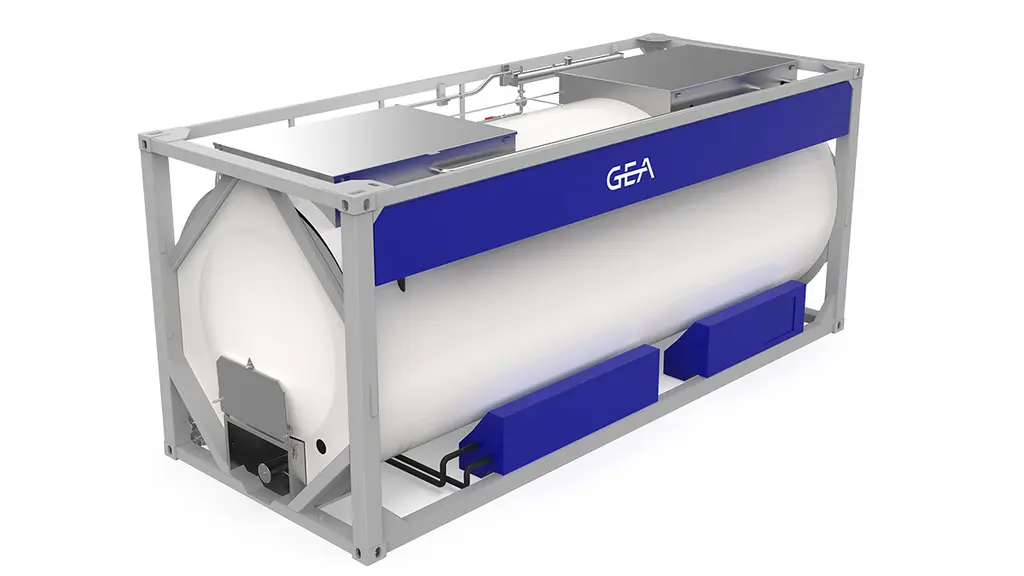
Developed through a strategic partnership between GEA and Oriental Tanks, the GEA Mobile Aseptic Solution combines GEA’s aseptic process engineering with Oriental Tanks’ ISO tank-container design, system integration and intermodal logistics expertise. The result is a reusable platform that extends the controlled aseptic process chain beyond the factory gate. The solution comprises site-installed Aseptic Filling & Emptying Stations and a mobile 20,000-liter ISO tank container engineered for aseptic, temperature-controlled transport and temporary storage. Together, these elements support site-validated cleaning and sterilization, aseptic filling, intermodal movement by road, rail and sea, and aseptic discharge at the receiving site.
At the core of the innovation is a patented continuous pressure concept that maintains controlled overpressure using sterile gas throughout the logistics cycle, helping prevent the recontamination by microorganisms. Sensitive products - including milk, dairy ingredients and plant-based beverages, can therefore be transported as bulk liquids without relying on drying and reconstitution or single-use aseptic packaging for the transport. By integrating aseptic processing, reusable tank container technology and intermodal logistics, the solution creates a practical new route in sensitive liquid products. It can help retain intended product taste, texture and protein structure while reducing processing steps, energy use associated with drying and reconstitution, product losses and reliance on single-use packaging.
Industrial feasibility was demonstrated in a full-scale Japan-to-Singapore trial using UHT milk. The entire process chain, from aseptic filling and sea transport under varying environmental conditions to aseptic discharge, proved reliable throughout the journey.
www.GEA.com | www.orientaltanks.com | GEA Mobile Aseptic Solution

Revo Foods addresses a key challenge in additive food manufacturing: the lack of scalability, low process stability, and high level of manual intervention associated with existing - predominantly batch-based - 3D printing systems that rely on syringes or cartridges. These systems are unsuitable for industrial applications, as they require frequent refilling and offer only limited throughput. Revo Foods’ innovation on the 3D-MassFormer technology, lies in a novel, continuous multi-screw extrusion system designed for highly viscous food masses, particularly plant-based protein structures. Multiple compression screws operate within a shared vessel, feeding into separate nozzles; this configuration enables parallel production, continuous material flow, and significantly higher throughput. This architecture enhances process stability and reduces the need for manual intervention while simultaneously allowing for the creation of complex 3D structures and customized products. In terms of sustainability, the technology contributes to reduced product waste - and thus improved resource efficiency - through more precise material dosing. Its modular design facilitates maintenance and component replacement, extending equipment lifespan and lowering material consumption. Additionally, the reduction in manual handling improves workplace ergonomics. The technology’s industrial viability has been demonstrated through the "Taste Factory" production facility in Vienna, where structured, mycoprotein-based products are mass-produced and distributed to European retail markets. Revo Foods thus presents a technologically and economically scalable solution that opens up new product categories within the food manufacturing sector.

The Eberhardt TT Bastard 160 represents a paradigm shift in the processing of injected and pre-mixed meat and fish products. The innovation lies not in the incremental development of existing tumbler technology, but in the complete transformation of a traditionally batch-based process into a truly continuous inline process. While conventional tumbler systems require several hours of mechanical treatment, intermediate storage, and product buffering, the TT Bastard 160 processes products in just about four seconds, enabling seamless, automated production without waiting or storage times. At the heart of the innovation is a specially developed rotor technology designed specifically for high-performance industrial applications. Combined with individually frequency-controlled drives, it ensures precise process control, reproducible protein extraction, and optimal water binding at both high and low injection rates. Unlike standardized tumbler systems, the TT Bastard 160 was developed as a tailored industrial solution for high throughput, process stability, and maximum efficiency. The technology offers a concrete solution to the challenges of modern protein processing: it significantly reduces processing times, production complexity, and space requirements, while simultaneously increasing yield and product quality and reducing the use of functional additives. Furthermore, the TT Bastard 160 makes a measurable contribution to sustainability. Significantly shorter processing and cooling times lower energy consumption, optimized cleaning procedures reduce water usage, and improved raw material utilization minimizes losses and waste. In this way, the system combines economic efficiency with resource conservation, setting a new standard for industrial food processing.
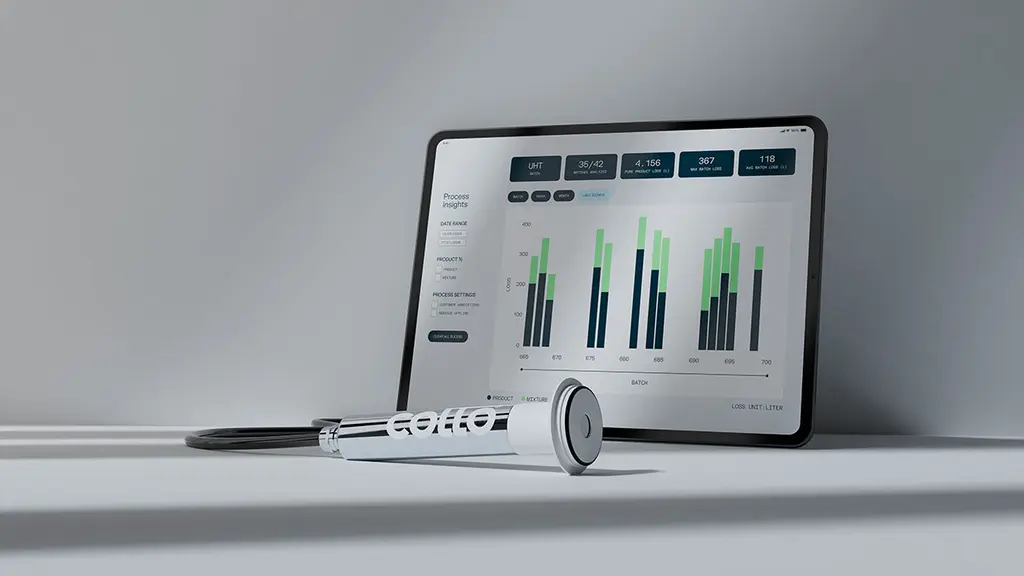
Collo Liquid Process Intelligence - Inline real-time liquid monitoring
ColloidTek Oy, Tampere, Finland
Collo Liquid Process Intelligence fundamentally reimagines the monitoring and control of liquid processes in the food and beverage industry. The technology addresses a key industry challenge: cleaning processes (CIP), product changes, and process decisions are often based on timed sequences, estimates, or manual sampling rather than the actual state of the liquid. This leads to avoidable product loss, unnecessary water and energy consumption, and increased operating costs. At the heart of the innovation is a novel RF-based liquid process intelligence platform comprising a high-frequency sensor (RF analyzer) integrated directly into the pipeline or process line, intelligent signal processing, and machine learning algorithms. The sensor analyzes the electromagnetic properties of liquids to generate a unique "liquid fingerprint." Proprietary signal processing and machine learning algorithms are then used to identify product states, phase transitions, concentrations, and deviations in real time. Unlike conventional measurement systems that capture only individual parameters, such as conductivity, turbidity, or density, the Collo system enables multidimensional state analysis of a wide range of liquids using a single system, regardless of color, turbidity, or viscosity. This makes for the first time an automated, data-driven process control possible on a universal scale. The significance extends beyond individual processes. Industrial AI has advanced fastest where production is already densely instrumented. Liquid production has remained largely unobserved: the state of the product between sensors, during cleaning, and across changeovers has been inferred rather than measured. Collo supplies that missing layer. Continuous, real-time knowledge of the liquid itself becomes the foundation on which automated optimization, predictive control, and machine intelligence can operate in food and beverage production. The impact on sustainability is immediately measurable: demand-based control of CIP processes allows for a 15–25% reduction in water consumption and a significant decrease in energy usage. At the same time, the precise detection of product-water interfaces enables the recovery of 15–25% of product quantities that were previously lost. This reduces raw material waste, wastewater loads, and CO₂ emissions. Already in industrial use, this innovation demonstrates how resource efficiency, economic viability, and process reliability can be sustainably combined.


With the water treatment installation for Pringles (Mars), the partnership between Pantarein Water and the producer of snacks has developed an innovative solution to address one of the food industry's major challenges: high water consumption in a water scarcity region. The system transforms industrial wastewater into water of potable quality, enabling its direct reuse within the production process. This converts a linear wastewater stream into a closed-loop water cycle, significantly reducing reliance on fresh water. At the Mechelen plant, an average of 75% of the treated water is reused, a practice that has already cut total water consumption by more than 50%. The innovation lies in the intelligent combination of multiple technologies into a highly automated, modular, integrated system. A three-stage treatment process - comprising dissolved air flotation (DAF), a membrane bioreactor (MBR), and closed-circuit reverse osmosis (CCRO) - achieves exceptionally high water recovery rates while maintaining low chemical consumption. Unlike conventional reverse osmosis systems, CCRO technology employs a recirculation process that increases water yield, significantly extends cleaning intervals, and prolongs membrane lifespan. The system features a containerized, prefabricated design and operates largely autonomously with remote monitoring capabilities. Its sustainability impact is comprehensively documented: in addition to substantial fresh water savings, oils and fats are recovered from the wastewater stream and utilized for biogas generation. Reduced chemical usage, lower CO₂ emissions, and the minimization of operational risks and resource consumption further contribute to reducing environmental impact. Two years of successful industrial operation demonstrate that the safe reuse of wastewater in food processing facilities is technically, economically, and ecologically feasible on a large scale.

Ariete Homogenizer 2.0 is designed to support more energy- and resource-efficient homogenization, faster quality control, more stable processes, and higher equipment availability. While traditional systems rely on fixed parameters and offline sampling, the Ariete 2.0 enables continuous, data-driven process control in real time. Its core innovation lies in combining digital intelligence, advanced homogenization technology, and integrated resource optimization into a self-optimizing system. The NiSoMate® inline quality analyzer continuously monitors particle size, density, and consistency, automatically adjusting process parameters accordingly. Additionally, digital monitoring and predictive maintenance features enhance equipment availability and product quality. GEA's portfolio includes different homogenizing valve technologies, each designed to maximize performance for specific applications. This enables measurable sustainability benefits: the coneVerge® valve can reduce energy consumption by up to 20%, while the NiSoX Radial Collider® can achieve energy savings of up to 32% in suitable applications.
Furthermore, water recirculation and oil treatment systems reduce water and oil consumption as well as waste volumes. Inline quality control safeguards product quality and minimizes scrap and product loss, while automated process management ensures stability and continuously optimizes resource usage. The result is lower CO₂ emissions, higher production efficiency, and more sustainable industrial value creation - benefits that are confirmed in practical application.
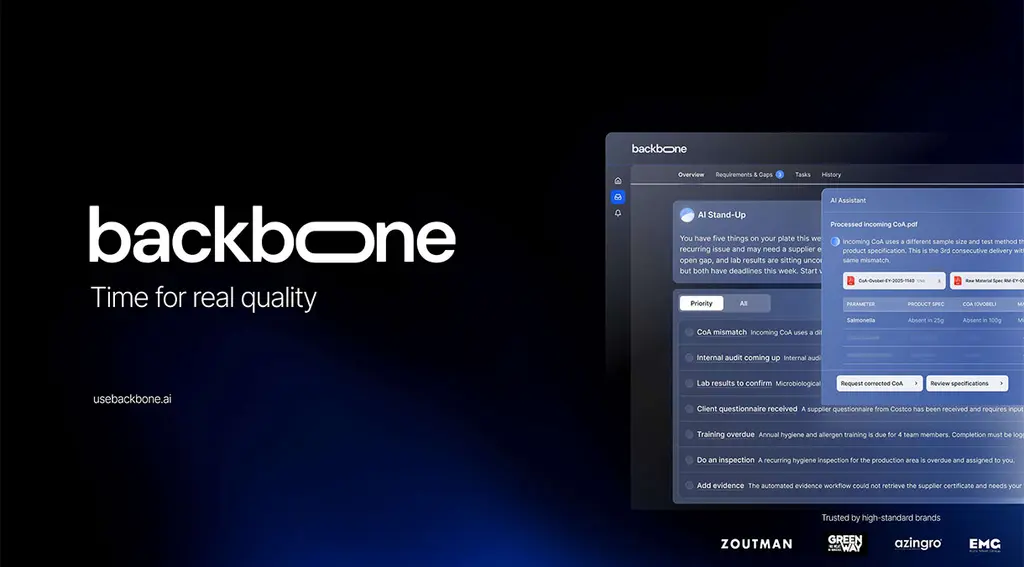
backbone: AI operating system for quality and compliance in food manufacturing
backbone ai, Bruxelles, Belgium
Backbone is the AI operating system for quality and compliance in food manufacturing. Critical quality information today is spread across ERP systems, document platforms, spreadsheets, laboratory systems and email, so quality teams spend much of their time finding and checking data instead of preventing problems and improving operations.
Backbone connects this fragmented landscape. It integrates with the systems manufacturers already use and structures data such as specifications, certificates, laboratory results, supplier information, incidents, procedures and customer requirements into a shared quality context. Domain-specific AI continuously interprets this information against standards such as IFS, BRCGS and FSSC 22000, as well as company procedures and customer requirements. Changes in a specification, certificate, supplier document or quality event are assessed in context as they occur, rather than discovered during a periodic review or audit. On this foundation, specialised AI agents support recurring workflows including supplier monitoring, document verification, customer questionnaires, incident management and specification checks. Routine work is automated within predefined controls, while quality professionals remain responsible for decisions that require judgement. Because information from suppliers, products, incidents, audits and external risk signals can be analysed together, Backbone can also surface patterns and emerging risks that are difficult to detect when that data remains isolated. This creates operational and sustainability benefits: earlier detection of deviations reduces avoidable rework, scrap and product loss, while automation frees up administrative capacity. In customer deployments, manufacturers are already spending less time on repetitive quality work and more on prevention and improvement
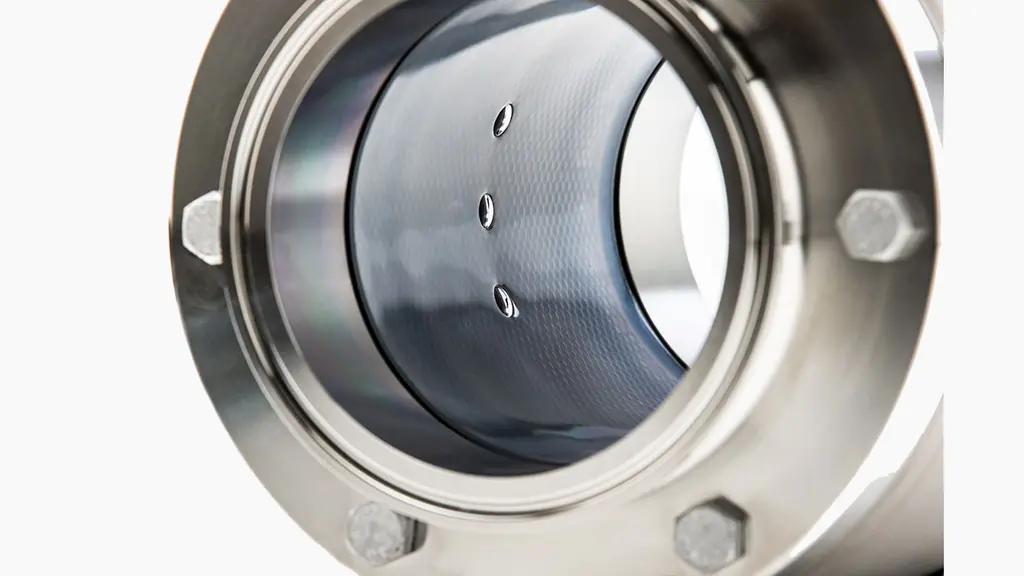
The electromagnetic flowmeter Proline Promag H with the option “0 x DN full bore” addresses a key challenge in flow measurement for hygienic processes: Conventional electromagnetic flowmeters require long straight inlet and outlet runs to achieve accurate results. This increases the required installation space, installation costs and material usage. Alternative solutions that restrict the pipe cross-section additionally cause pressure loss and higher energy consumption. In contrast, Proline Promag H with 0 x DN full-bore option enables precise flow measurement directly downstream of flow disturbances such as pipe bends, valves or changes in cross-section – without the need for straight pipe runs or reductions in pipe diameter.
This innovation relies on a patented design concept with multiple electrodes in the measuring tube combined with advanced signal analysis. This allows for the entire flow profile to be captured and automatically compensated for flow disturbances. The result is a measurement accuracy of ±0.5 %, even in applications under challenging installation conditions. At the same time, the full pipe cross-section is maintained, eliminating pressure loss entirely. The hygienic, 3-A certified design of Promag H makes the technology particularly suitable for applications in the food and beverage industry. By eliminating long inlet runs, the technology reduces material and resource consumption and thus provides clear sustainability benefits. The full-bore design avoids additional pressure loss and lowers pump energy requirements as well as associated CO₂ emissions. Furthermore, high measurement accuracy improves process control, helping to reduce product waste and water consumption. Overall, Promag H with 0 x DN full-bore option combines increased process efficiency, lower operating costs and reduced resource consumption, significantly improving sustainable hygienic flow measurement.

Liquiphant Multiparameter QMX63 addresses a key challenge in the food and beverage industry: the labor-intensive and time-consuming nature of quality control based on manual sampling and laboratory analysis. Instead of requiring multiple measuring devices and offline analyses, the sensor continuously captures density, viscosity, sound velocity, and temperature directly within the process. This enables the early detection of quality deviations, reduces production losses, and allows for more efficient process control. The innovation lies in combining true inline multiparameter measurement with modern digital connectivity within a single hygienic sensor. Liquiphant Multiparameter QMX63 measures density and viscosity simultaneously with high precision, even in highly viscous media. This is complemented by intelligent diagnostic functions – such as gas bubble, buildup, and pressure surge detection – as well as communication via Single Pair Ethernet (SPE). Furthermore, the modular software architecture enables application-specific concentration measurements and flexible adaptation to various products and processes. Its contribution to sustainability is demonstrated by a significant reduction in resource consumption and waste. Continuous inline measurement minimizes the need for sampling and cleaning, as well as the use of water, chemicals, and energy. Precise process controls prevent off-spec batches, reduce product losses, and optimize energy-intensive applications such as filtration, mixing, and dealcoholization. At the same time, the early detection of process deviations enhances operational reliability and prevents unnecessary rework. In this way, Liquiphant Multiparameter QMX63 supports resource-efficient, cost-effective, and sustainable food production while simultaneously ensuring higher product quality and process reliability.
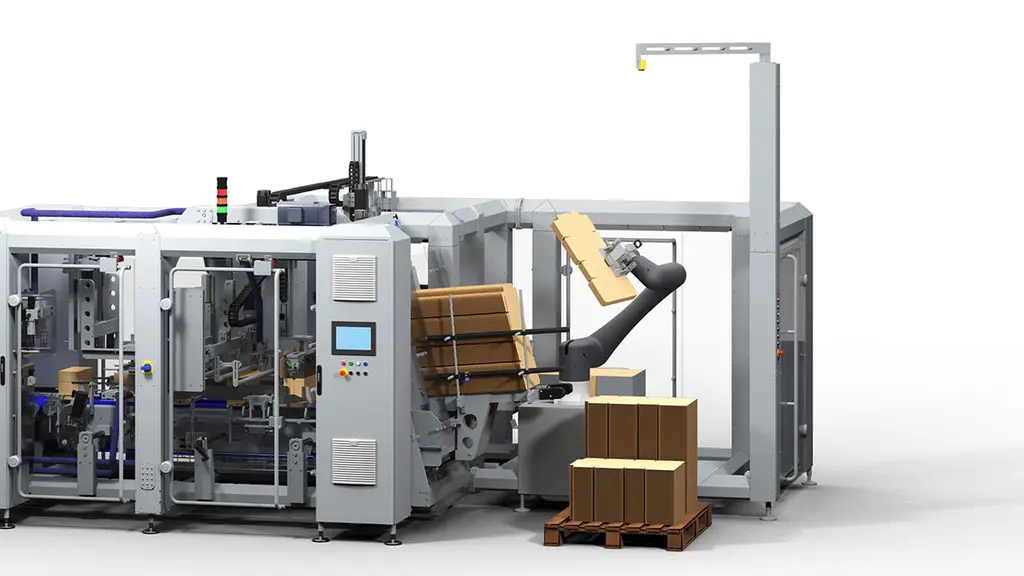
CAMA ACL system: Automatic Carton Loading for box blanks and collaborative 3-axis robot
Cama Group, Molteneo (LC), Italy
The CAMA ACL system (Automatic Carton Loading) automates one of the last largely manual tasks in highly automated packaging lines: loading magazine feeders with carton blanks. This task is physically demanding, ergonomically challenging, and difficult to automate due to carton stacks that are frequently damaged, warped, or inconsistent in quality. At the same time, staff shortages, shift scheduling, and absences due to illness create additional production challenges. The ACL system fully automates this process, ensuring a consistent, safe, and reliable supply of materials. This innovation combines collaborative robotics, intelligent gripping technology, and smart vision systems. Using 2D/3D cameras and AI-based image processing, the robot automatically detects pallet patterns, orientation, slip sheets, and carton stacks. Specialized gripping systems equipped with distance and torque sensors allow for the flexible handling of a wide range of carton formats. Additionally, functions such as slip sheet removal, strap removal, carton opening, and automatic format changes can be integrated. The system operates safely in a shared workspace with human workers, can be networked with AMR transport robots, and continuously provides operational data for monitoring and analysis. Its sustainability impact is evident primarily in the reduction of manual, physically strenuous tasks, improved workplace safety and ergonomics, and more efficient use of human resources. Automated, precise handling minimizes errors, boosts productivity, and prevents downtime. Furthermore, the system’s compact design allows for resource-efficient integration into existing lines. By shifting repetitive tasks to an energy-efficient, low-maintenance system, the ACL system supports more sustainable and future-proof packaging production.
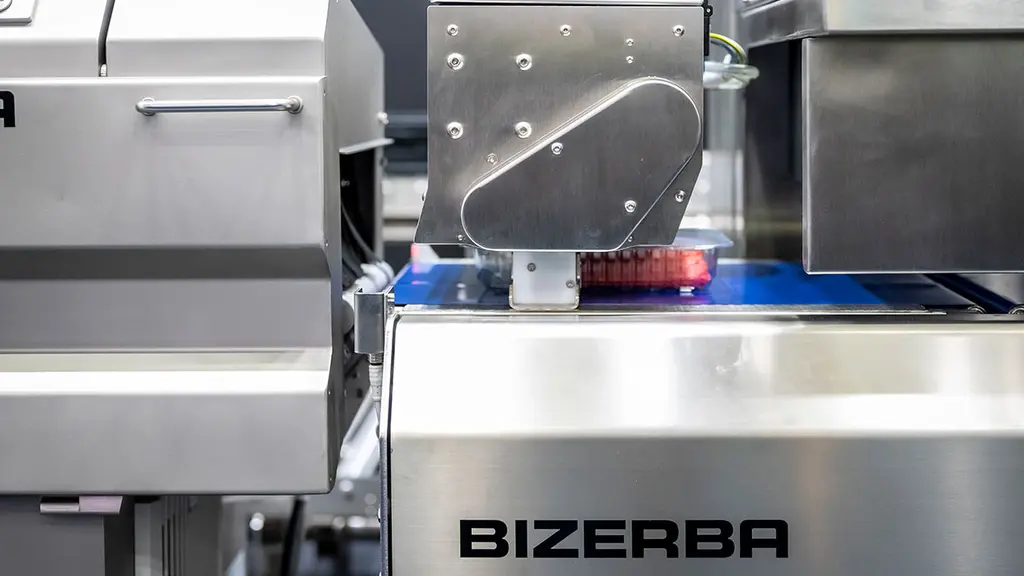
LeakSecure – High-Precision Inline CO2-Based Package Integrity Testing
Bizerba SE & Co. KG, Balingen, Germany
LeakSecure addresses a key issue with MAP (Modified Atmosphere Packaging) food products: the smallest leaks allow protective gases to escape, accelerate food spoilage, and result in customer complaints, and food waste. For the first time, LeakSecure enables high-precision, 100% inline leak testing under real-world production conditions, detecting even smallest leaks in real time. This innovation relies on a patented high-density sensor architecture featuring 16 integrated CO₂ gas analyzers - the highest sensor density in the market segment. This allows leaks to be not only detected but also located. Unlike existing solutions, the system operates independently of environmental factors. All test data is continuously recorded and analyzed via the BRAIN2 digital platform. This facilitates root-cause analysis, the identification of recurring defect patterns, and data-driven optimization of packaging materials and sealing processes. LeakSecure thus transforms leak testing from a mere quality control measure into an intelligent tool for process optimization. Its impact on sustainability is backed by real-world results: during a year of industrial use, the leak rate dropped from 4 - 5% to 0.52% - an eightfold improvement. This prevented up to approximately 484,000 defective packages annually. At the same time, food waste was reduced, manual inspection time was cut by 55 minutes per day, and consumer complaints due to premature product spoilage were completely eliminated. LeakSecure thus makes a measurable contribution to food safety, resource conservation, and waste prevention.

ContinousJect - Continous injection, more output on the same foodprint
Günther Maschinenbau GmbH, Eppertshausen, Germany
ContinuousJect addresses a key challenge in industrial injection and marinating processes: conventional systems operate in batches with start-stop cycles that limit throughput, compromise process stability, and lead to fluctuations in product quality and injection volume. ContinuousJect replaces this approach with a fully continuous injection process, enabling a productivity increase of up to 30% while maintaining the same injection rate and footprint. The innovation lies in its truly continuous operation, eliminating start-stop sequences. This ensures uniform brine distribution, reproducible process conditions, and consistently high product quality. Compared to conventional equipment, the system reduces mechanical stress on the product, increases throughput, and integrates seamlessly into automated production lines. These features are complemented by a hygienic, easy-to-clean design, high user-friendliness, and ergonomic, automated system operation. Its contribution to sustainability stems from more efficient resource utilization. Precise dosing reduces brine loss and lowers raw material consumption. Higher yields and more consistent product quality minimize food waste and the need for rework. At the same time, increased process efficiency leads to lower energy consumption per unit produced and shorter production times. The high level of automation also reduces the need for manual intervention, thereby improving workplace safety and ergonomics. Overall, ContinuousJect combines greater cost-efficiency, reduced resource consumption, and more sustainable food production in injection and marinating processes.

The Handtmann FS 511 forming system addresses a key challenge in the food industry: the cost-effective and flexible production of a wide variety of product shapes and sizes, while maintaining high capacity utilization, process reliability, and resource efficiency. Previously, the multi-lane production of 2D or 3D shapes typically required separate machines and complex changeover procedures. For the first time, the FS 511 combines two distinct functions - cutting and forming -within a single multi-lane system, achieving an unprecedented level of flexibility.
The core innovation lies in a newly developed, modularly scalable flow divider featuring interchangeable feed mechanisms, allowing for a flexible configuration ranging from 4 to 28 lanes. This enables the machine to be optimally adapted to varying product sizes as well as belt and grid dimensions. These capabilities are complemented by RFID-based format/divider recognition, automatic parameter setting, and digital assistance functions. As a result, changeover times are reduced, operating errors are minimized, and process reliability is enhanced.
The FS 511 also sets new standards in terms of sustainability. The high weight accuracy of the servo-driven portioning and flow-splitting technology ensures precise product manufacturing. This reduces costs, raw material waste, and product giveaway, while the optimal utilization of downstream processes boosts their energy efficiency. Energy-efficient drive technology, short cleaning and changeover times, and a robust design with a service life of at least 30,000 operating hours lower resource consumption over the entire lifecycle. Additionally, automated functions improve ergonomics and workplace safety while helping companies address the shortage of skilled labor. In this way, the FS 511 combines environmental responsibility, economic efficiency, and technological innovation into a forward-looking solution for modern food production.
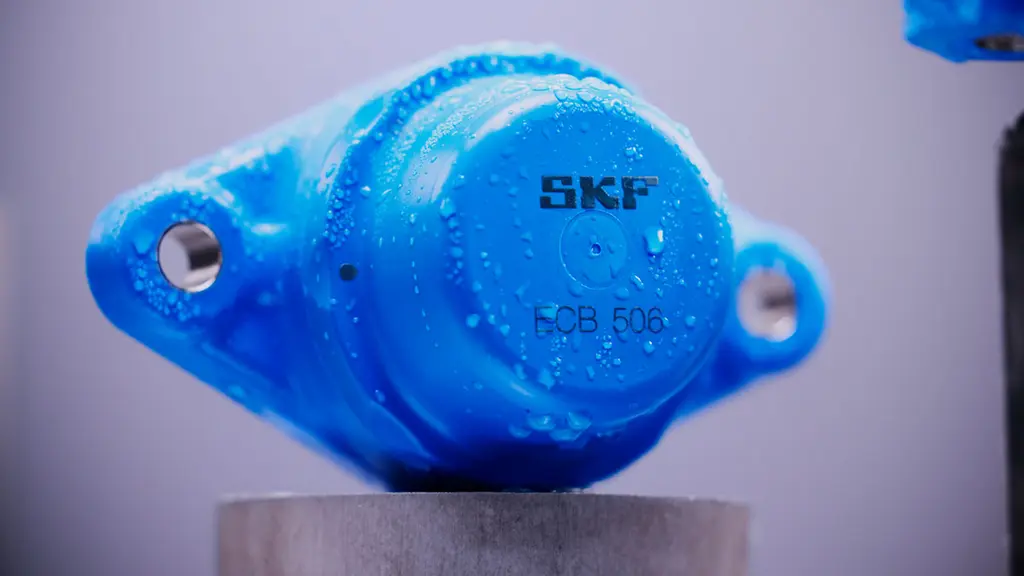
SKF Food line ball bearing units – Enabling proactive food safety
SKF Group / SKF GmbH, Schweinfurt, Germany
SKF Food line ball bearing units address a key challenge in the food industry: the risk of product contamination associated with conventional bearing design in hygiene-sensitive production environments. Conventional bearing units require regular relubrication, which can lead to lubricant leakage, water ingress, and the formation of bacterial or allergen hotspots. This increases cleaning requirements as well as the risk of product recalls and unplanned downtime. The innovation behind the SKF Food line lies in a fully sealed, relubrication-free ball bearing system developed strictly according to hygienic design principles and EHEDG guidelines. By combining patented sealing technology, hygienically designed housings, food-safe materials, and visually detectable blue components, the system effectively prevents lubricant leakage and contaminant ingress, contributing to increased food safety. This transforms the bearing unit from a potential source of contamination into an active component of proactive food safety. SKF Food line ball bearing units also excel in terms of sustainability. Eliminating the need for relubrication significantly reduces the consumption of lubricants, cleaning chemicals, and water. More efficient cleaning processes further lower energy demand, while reduced maintenance requirements conserve resources and extended bearing service life minimizes downtime. Furthermore, the solution reduces waste streams - such as soiled cloths, gloves, and lubricant residues - and helps lower the CO₂ footprint. By combining food safety, operational reliability, and resource efficiency, SKF Food line ball bearing units are a real improvement for sustainable and hygienic food production.
https://www.skf.com/de/industries/food-and-beverage/skf-food-line-ball-bearing-units

VITO VL - Connected In-Fryer Oil Management System for Sustainable and Safe Food Production
VITO AG, Tuttlingen, Germany
The VITO VL solves a key problem in food production and the foodservice industry: the high consumption of frying oil, quality loss due to oil degradation, and the associated demands on resources, costs, and safety. Conventional filtration methods often require transferring oil, interrupting production, or performing manual tasks. In contrast, the VITO VL filters directly within the hot oil during ongoing operations, thereby preventing rapid oil quality degradation. Its innovation lies in the combination of patented microfiltration, full automation, and digital process management. The system removes particles and degradation products as small as 5 µm directly during the frying process - without the use of chemicals or the need to transfer oil. A complete filtration cycle takes just 4.5 minutes and runs fully automatically. Filtration cycles are recorded, documented, and analyzed across multiple locations via the cloud-based platform VITOconnect. This transforms what was previously reactive oil management into a standardized, data-driven process characterized by high transparency and process reliability. The contribution to sustainability is immediately measurable: extending oil life by up to 100% can reduce oil consumption by up to 50%. This significantly lowers the demand for agricultural raw materials, packaging, transport, and disposal, as well as the associated CO₂ emissions. At the same time, the system operates without chemicals, utilizing biodegradable filter media. Fewer oil changes, reduced cleaning requirements, and lower waste volumes further enhance resource efficiency. The VITO VL thus combines environmental sustainability, cost-efficiency, workplace safety, and digital process control into a forward-looking solution for professional food production.
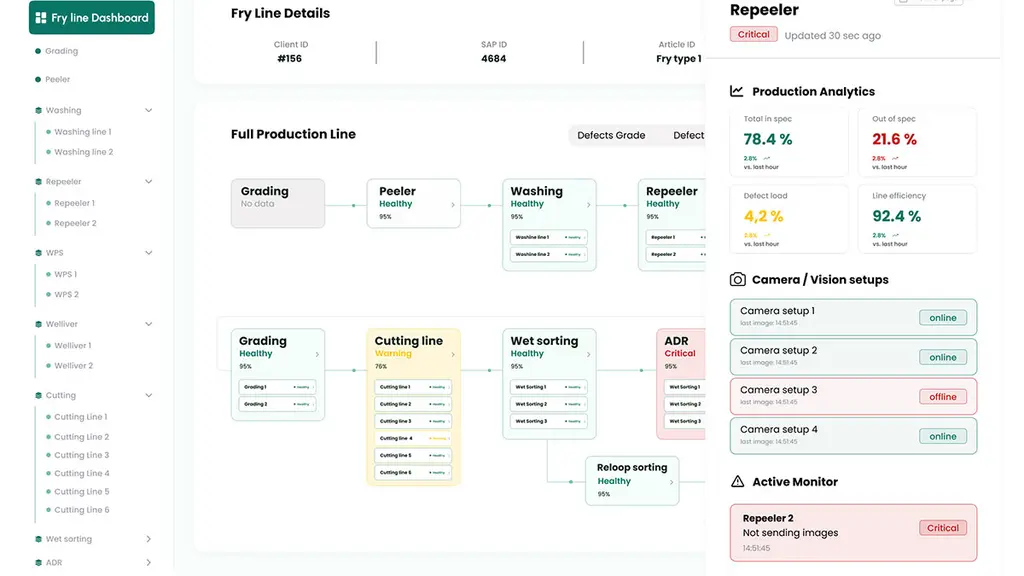
Polysense AI addresses a major challenge facing the food industry: raw material losses, fluctuating product quality, and delayed corrective actions resulting from sample-based quality control. Conventional systems operate primarily reactively, detecting quality deviations only after they have occurred. In contrast, Polysense enables continuous, AI-driven quality control in real time, transforming production lines into self-optimizing processes. This innovation combines computer vision, IT/OT sensor fusion, real-time data analysis, and automated control loops. With "Polysense Qualify," every product is inspected inline - without sampling - for attributes such as size, shape, color, texture, and defects. "Polysense AutoControl" uses this data to automatically adjust machine parameters in real time, correcting quality deviations within seconds. By linking quality data with production and process data, a seamless, closed-loop control system is created for the first time, optimizing both quality and yield across the entire production line. The sustainability benefits are immediately measurable: in industrial applications, Polysense achieves an average yield increase of up to 5%, a 40% reduction in waste, 50% less reliance on manual operator intervention, and a 45% reduction in quality variation between shifts. This leads to more efficient use of raw materials, energy, and water, as well as a significant reduction in food loss. At the same time, the detection of foreign objects and quality defects enhances food safety and lowers the risk of costly product recalls. Polysense thus combines digitalization, resource efficiency, and process stability into a forward-looking solution for more sustainable and cost-effective food production.
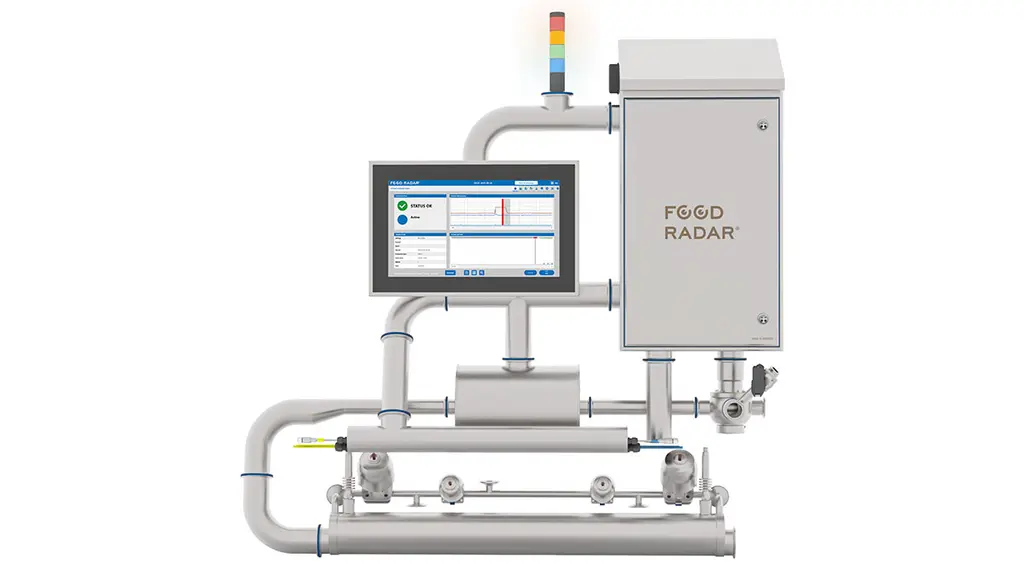
Food Radar - In-Pipe Microwave Detection Platform with AirZip
Food Radar Systems, Gothenburg, Sweden
Food Radar solves a problem within the food industry that has previously been inadequately addressed: the reliable detection of low-density foreign objects - such as soft and hard plastics, rubber, wood, fruit pits, or aluminum foil - within closed pipelines transporting pumpable food products. Conventional technologies such as metal detectors, X-ray systems, optical inspection, and sieving systems often reach their limits with these types of contaminants, as the foreign objects are neither metallic nor sufficiently dense, and are located within opaque product flows. Food Radar’s innovation lies in a globally unique, commercially available, microwave-based in-pipe detection platform designed specifically for pumpable food products. The current generation combines multi-diagonal microwave detection, sensor systems optimized for specific products, AirZip technology for removing air bubbles, broadband frequency adjustment, and proprietary signal processing. This is complemented by a speed-adaptive rejection system that precisely removes contaminated product sections while minimizing the loss of uncontaminated product. Consequently, both foreign objects and quality-related process defects - such as pectin, starch, or xanthan agglomerates - can be detected in real time. The sustainability benefits stem from the combination of high detection performance and minimal product waste. AirZip stabilization reduces false rejections, while the adaptive rejection concept limits the amount of rejected material to an average of just 0.5 kg per event. This reduces food loss, increases yield, and enables near-zero-waste rework strategies in many applications. Additionally, the system’s energy consumption is a mere 0.15 kWh. Food Radar thus integrates food safety, resource efficiency, and process control into a pioneering technological solution for modern food production.

PolySto’s CleanRock kerbs Next Generation address a frequently underestimated yet critical issue in the food industry: creating wall-to-floor junctions that are both hygienic and mechanically robust. Cracks, damaged coving, and defective transitions can allow water ingress and create hidden areas where dirt, bacteria, and pathogens accumulate. This increases the risk of contamination, audit non-compliance, and costly maintenance.
The innovation is based on a newly developed, prefabricated CleanRock composite material made of quartz, polyester, and recycled glass-fibre-reinforced thermosetting (5% pre-consumer recycled material derived from internal production offcuts and installation waste from PolySto CleanSheet FRP panels).
The resulting kerb system is significantly lighter and up to 50% thinner than conventional solutions, yet offer up to ten times the impact resistance of concrete. At the heart of the development is the patented CleanWave geometry, which specifically controls the flow of cleaning water. It prevents uncontrolled splashing, minimizes hygienic weak points at the wall-floor junction, and improves daily cleaning efficiency. The modular CleanRock range is available in several impact levels, providing appropriate protection for different traffic conditions, from small trolleys to powered forklifts.
The recycled FRP content supports circular material use and reduces the need for virgin raw materials. The lower product weight also allows more kerbs to be transported per shipment, helping to reduce transport-related emissions. In addition, the system’s long service life, repairability and low maintenance requirements reduce resource consumption throughout its life cycle. By combining impact protection, hygienic design, durability and resource efficiency, Next Generation CleanRock offers a practical, sustainable and cost-effective solution for modern food-processing facilities.

PiCon - Inline Analysis for Quality Control of PEF-treatment
Elea Technology GmbH, Quakenbrück, Germany
PiCon solves a key problem in the industrial application of Pulsed Electric Field (PEF) technology: until now, treatment effectiveness could only be verified through time-consuming manual sampling and subsequent laboratory analyses. Consequently, over- or under-treatment often went undetected, leading to unnecessary energy consumption, quality fluctuations, and product losses. PiCon’s innovation lies in the world’s first AI-based inline solution for the real-time assessment of PEF treatments directly during the cutting process. The system uses microphones and vibration sensors to capture the sound and vibration signals generated during cutting. Combining signal processing and machine learning, it analyzes changes in tissue structure caused by PEF and classifies treatment intensity with high accuracy. The results are fed back immediately to the PEF system, creating a closed-loop digital control system that automatically optimizes process parameters. This transforms PEF from a manually monitored process into a self-optimizing technology. The contribution to sustainability is directly measurable: by tailoring the PEF treatment to actual needs, over-treatment is avoided and energy consumption reduced. At the same time, more stable processes result in less waste and lower food losses. Continuous monitoring also detects damage to cutting systems at an early stage, preventing quality loss. Furthermore, PiCon reduces the need for manual inspections and enhances process reliability. The technology was developed for potato processing and is particularly relevant for manufacturers of potato chips, French fries, and other PEF-treated fruit and vegetable products. Thanks to its modular and scalable approach, it offers potential for future applications in the processing of plant-based raw materials and other foods where texture is critical. The solution combines artificial intelligence, automation, and resource efficiency, serving as a vital component for the sustainable, data-driven food production of the future.

The MIVEG Skewer System 2040 offers the food industry a solution to improve the labor-intensive and error-prone manual production of skewers - addressing challenges such as skilled labor shortages and rising cost pressures. Previously, small and medium-sized food manufacturers, in particular, lacked access to economically viable automation solutions and relied on manual labor or semi-automated processes. The system automates the production of up to 2,040 skewers per hour and reduces staffing requirements to one or two operators, all while ensuring consistently high product quality. Its innovation lies in combining patented skewer-guiding technology with a novel dual-cassette conveyor system, enabling the production of two different skewer varieties on the same line without changeover times. The patented guiding mechanism ensures precise skewer positioning and allows for uninterrupted operation even in the event of skewer breakage. Designed specifically for small and medium-sized enterprises, the system requires neither complex infrastructure nor specialized maintenance personnel. It contributes to sustainability in several ways: its durable, low-maintenance design reduces resource consumption and the need for spare parts over its entire lifecycle. Energy-efficient drive technology lowers power usage, while the elimination of changeover times and production interruptions boosts resource efficiency. Furthermore, the technology strengthens regional food production by providing small and medium-sized businesses with access to modern automation. The system is versatile, accommodating meat, fish, cheese, vegetable, and plant-based products, thereby supporting the growing market for vegetarian and vegan convenience foods.