

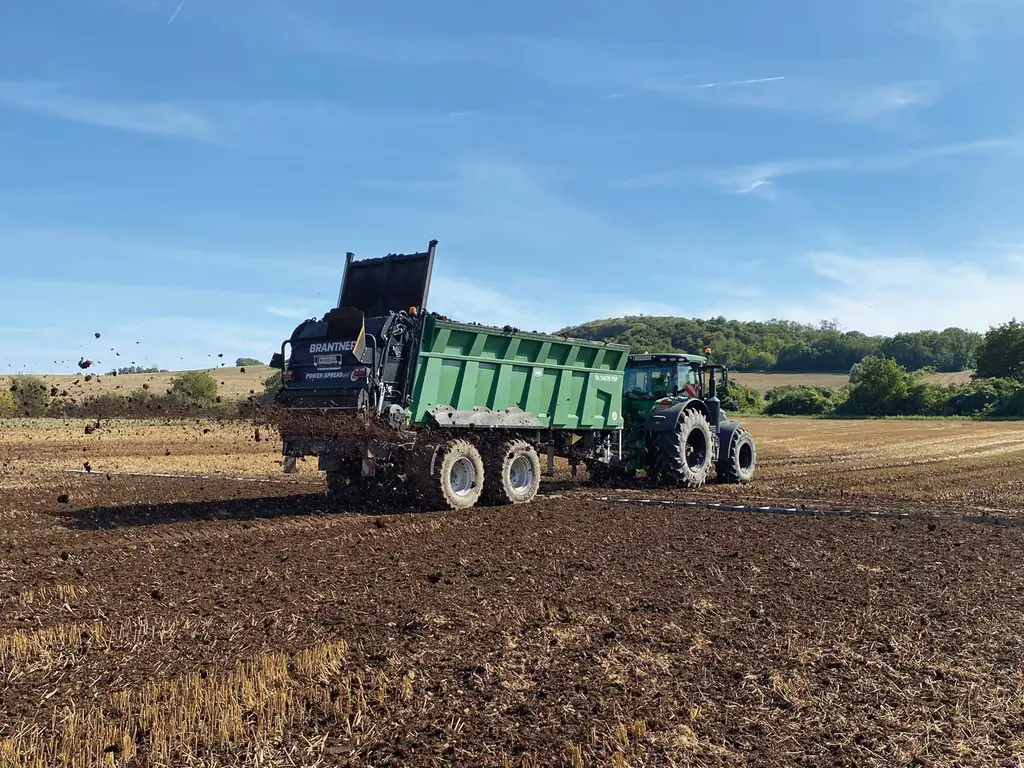
Innovation Award EuroTier: Winners 2026
Four Gold Medals and 26 Silver Medals; Two distinctions: Animal Welfare Award
DLG (German Agricultural Society) has announced the winners of the Innovation Award EuroTier 2026. This year, 176 innovations were recognized by the independent DLG Innovation Commission, with four receiving Gold Medals and 27 Silver Medals. Among the Gold and Silver Medal winners, two innovations were additionally honored with the special distinction “Animal Welfare Award”. The medal-winning companies represent nine countries and territories across Europe, Asia and North America, reflecting the particularly strong international profile of this year's competition.
The international distribution of the winners underlines EuroTier's position as a globally recognized platform for presenting new technologies to the livestock sector. The submissions span 14 product areas, ranging from digital herd management and smart farming to cattle, pig and poultry housing and feeding technology, milking systems, farm inputs, manure management and environmental solutions.
“The broad international profile of this year's medal winners demonstrates that many of the technical challenges facing livestock farmers are shared across countries and production systems. The award-winning solutions show how advances in automation, digitalization, animal housing, feeding, milking and environmental technology can improve operational reliability, efficiency and sustainability on farms. EuroTier provides the international professional platform where these developments can be evaluated in terms of their practical relevance,” says Sven Häuser, Head of Livestock Farming and Barn Technology at DLG.
The medal-winning innovations were submitted by companies based in the following countries and territories: ,Germany; the Netherlands; Denmark; Hungary; Spain; Switzerland; Canada; South Korea and Hong Kong SAR.
The Innovation Award EuroTier is one of the livestock sector's leading innovation award schemes. A Gold Medal recognizes innovations that introduce a fundamentally new concept or enable a new process, while a Silver Medal is awarded to innovations that represent a significant advancement of existing products and technologies. In both categories, the independent DLG Innovation Commission evaluates practical relevance, benefits for livestock farming operations, animal health & welfare, sustainability, operational efficiency and technological progress. All exhibitors at EuroTier 2026 were eligible to participate in the competition.
Gold awards
Manufacturer: PerformaNat GmbH (Germany)
Product: PerformaNat CatiBovin
Hall/stand: 11 C27
Explanatory text:
Around one-fifth of EU-wide ammonia emissions (NH₃) are attributable to dairy cows. These primarily arise due to the excretion of excess nitrogen and, as an air pollutant, pose a central challenge to animal farming and the environment. The current approach of ensuring a protein supply for high-performance dairy cows by providing additional nutrients with higher crude protein contents is encountering its limits due to the animals' limited nitrogen utilisation efficiency. As a result of this, valuable nutrients are lost, strain is placed on the metabolism and ammonia emissions arise due to the conversion of excess nitrogen.
PerformaNat CatiBovin is an innovative feed supplement for dairy cows which is taking a genuinely pioneering approach to increasing feed efficiency by specifically improving physiological uptake into the metabolism. Selected phytogenic active ingredients that are integrated into the feed ration enable receptors and nutrient channels to be triggered and specifically activated, thereby increasing the efficiency with which calcium and nitrogen are absorbed into the bloodstream from the feed ration.
In the case of PerformaNat CatiBovin, this involves what are called TRP (TRP = Transient Receptor Potential) channels in the rumen. These channels were functionally analysed in the context of fundamental research. The modern transport physiology and TRP research findings obtained in this way were subsequently transferred to a practical feeding solution for dairy cows for the first time. The objective of this feed supplement is to use the nutrients that are already contained in the feed ration optimally and more efficiently without any additional nutrient input. PerformaNat CatiBovin is simply mixed into the TMR (Total Mixed Ration) and can be used flexibly in various feeding concepts.
The new product is a prime example of the transformation of new findings from fundamental research into a practical application in livestock production. It therefore represents a milestone in more resource-efficient and animal-friendly feeding for the future. Thanks to lower nitrogen losses, PerformaNat CatiBovin can additionally help to reduce ammonia emissions.
Short text:
PerformaNat CatiBovin is an innovative feed supplement for dairy cows that uses phytogenic active ingredients to activate TRP channels in the rumen and therefore improves the uptake of nitrogen and calcium. As a result of this, feed efficiency is increased, nutrient losses are reduced and ammonia emissions can be lowered.
Manufacturer: Lock GmbH SmartSolutions (Germany)
Product: SmartCalving
Hall/stand: 12 D58
Joint development with smaXtec GmbH
Explanatory text:
A variety of sensors and digital systems are used in modern barns. They continuously record animal, climate and operating data, process this to produce information and make it available to the user. Nevertheless, a crucial step is often left up to humans – that of actual action. The existing technologies essentially operate as isolated solutions and do not communicate with one another. If a sensor system recognises that calving is imminent, the farmer himself has to react and initiate corresponding measures in the barn, for example. This equates to a great deal of work and necessitates the presence of humans, particularly when such incidents occur at night. Genuine, intelligent automation of the barn has therefore only been possible to a limited extent thus far.
Together with smaXtec, Lock SmartSolutions has developed SmartCalving, an intelligent solution for the calving area that consequently implements this previously missing automation step for the first time. SmartCalving combines external animal signals with climate data from the SBE Farm Management System and the existing actuators in the calving area, including curtains, fans and gates. If the sensors recognise that calving is imminent, the system automatically triggers measures that have been defined in advance. For example, the barn climate is adjusted and the calving area is set to an optimally protected, draught-free state. Following the event, the system independently returns to its regular automatic mode.
The innovative character lies in the combination of two previously extensively separate worlds: precise animal health monitoring and intelligent building or technology control. A pure warning signal is transformed into an automated action for the first time. This means that the sensor system does not merely become a source of information, but also the initiator of an entire digital process. SmartCalving therefore shows how networked isolated solutions can be transformed into a genuinely intelligent, autonomously operating barn.
Short text:
SmartCalving links animal monitoring, climate data and barn technology to form an automated calving solution. If the sensors recognise that calving is imminent, adjustment of the barn climate and, if necessary, additional measures are initiated independently. For the first time, this therefore leads to an intelligent, autonomously operating barn that requires less work.
Manufacturer: WEDA Dammann & Westerkamp GmbH (Germany)
Product: Smart Farrowing Pen: AI-supported animal welfare analysis and adaptive barn control
Hall/stand: 17 B04
Joint development with VetVise GmbH
Explanatory text:
Assistance systems for supporting animal monitoring by farmers are continuing to gain in importance, particularly for further increasing animal welfare. So far, interpretation of the data obtained via such systems by means of video monitoring and automatic evaluation of the animals' behaviour and the resulting conclusions and adjustments to the husbandry environment have been undertaken manually and in individual steps by the farmer.
With the Smart Farrowing Pen, WEDA Dammann & Westerkamp GmbH is presenting the automation of this entire process for the first time and is therefore closing the yawning gap that has existed until now – that of adjusting control variables in the barn automatically and in real time based on the animals' behaviour.
The Smart Farrowing Pen is a retrofittable, camera-based and AI-controlled assistance system for WEDA farrowing pens that analyses the behaviour of sows and piglets around the clock. The AI combines real-time animal behaviour analysis with the automated barn and feeding technology. Control variables such as the piglet nest temperature or the feed curve can therefore be adjusted on the basis of the animals' behaviour without the need for any action on the part of the farmer himself.
In this way, animal behaviour is actively integrated into the control of the husbandry environment for the first time. In effect, the animals more or less control the barn themselves. The resulting autonomous farrowing pen acts proactively rather than reactively and bridges the gap between digital recording and automated execution in the barn.
Short text:
WEDA's Smart Farrowing Pen combines AI-supported analysis of the behaviour of sows and piglets with automated barn and feeding technology. Control variables such as the piglet nest temperature or the feed curve are adjusted independently and autonomously on the basis of real-time data. In this way, the animals indirectly control their husbandry environment themselves for the first time.
Manufacturer: Peter Prinzing GmbH (Germany)
Product: Pig-Barn-Cleaner
Hall/stand: 12 D10
Explanatory text:
The removal of manure from fattening pens with solid floors and their runs in pig barns has primarily been carried out manually or semi-manually to date. This always involves a very high workload, because the pigs usually have to be laboriously herded out of the manure area and secured in another location depending on which method is used. There is also an increased risk of the animals being injured when automatic surface-mounted scraper systems are used.
The Pig-Barn-Cleaner presented by Peter Prinzing GmbH is a completely new approach for cleaning and removing manure from runs with partial and continuous solid floors fully automatically in barns of higher husbandry levels. The innovative system automatically and gently drives the animals out of the corresponding pen area with the aid of a pen partition wall. The area to be cleaned is then automatically cleaned independently with a corresponding cleaning unit based on a radial brush system. The manure is caught in a collecting tank and discharged again at a transfer point.
This extensively does away with the need for physically demanding and time-consuming manual manure removal. The amount of work is significantly reduced and consistently high-quality cleaning is ensured for each individual pen irrespective of the number of staff available. In parallel, the system is advantageous as regards work safety, because no direct contact with the animals is required during cleaning. This minimises the risks of injury for both humans and the animals. Regular, automated manure removal optimises barn hygiene and reduces emissions, thereby contributing to sustainable and resource-efficient pig farming.
No fully autonomous solution for pig barns has been available to date. With its various work processes, the Pig-Barn-Cleaner therefore fills a gap in the market and enables regular, efficient and work-optimised manure removal for each individual pen in accordingly designed pig barns.
Short text:
The Pig-Barn-Cleaner is an autonomous, fully automatic system for cleaning and removing manure from defined partial areas within each individual pen. Regular, automated manure removal optimises barn hygiene and reduces emissions, thereby contributing to sustainable and resource-efficient pig farming.
Silver Awards
Manufacturer: FeedValid B.V. (Netherlands)
Product: Covamino 2.0
Hall/stand: 21 B33
Explanatory text:
In cattle feeding, the microorganisms in the rumen break down a large part of the ingested protein. As this can increase the animals' milk yield without reducing the protein content, with the result that milk protein yield increases of around 10% are possible, diverse approaches have already been taken in the past to protect proteins in the feed from being broken down in the rumen. Formaldehyde treatment was often used to do this until it was banned in animal feeding in 2023. Proteins treated in this way are relatively stable at the pH level prevailing in the rumen, but are fully digestible and usable in the small intestine after passing through the acidic abomasum.
Developed by FeedValid, Covamino 2.0 is a range of rumen-protected protein products that are produced using a completely new technology and which offer an equivalent or better rumen protective effect and digestibility compared to formaldehyde treatment. The protein is protected against premature breakdown in the rumen and is available in the small intestine as a bypass protein with high small-intestinal digestibility. In addition, its tastiness is positively emphasised compared to other products or treatment methods.
The multi-phase Maillard reaction is used to protect against breakdown. The objective of this is to use the melanoidin phase, as this is central to protecting against breakdown in the rumen. An additional aim is to prevent the onset of the carbonisation process, which is related to a reduction in digestibility and energy losses. With the conventional methods, it was not previously possible to transfer all proteins into the melanoidin phase without the occurrence of carbonisation.
As recent studies carried out in cooperation with the ILVO research centre in Belgium and Schothorst Feed Research in the Netherlands show, the new technology developed by FeedValid enables a high quantity of digestible protein to be obtained from both rapeseed and soya protein for the first time. This allows dairy farmers to increase the content of protein that is digestible in the small intestine in the ration, to feed their animals more in line with their needs and to reduce nitrogen excretion.
Short text:
FeedValid's Covamino 2.0 protects feed proteins from being broken down in the rumen, as a result of which more highly digestible bypass protein is available in the small intestine. This improves the supply of protein to dairy cows, increases feeding efficiency and is able to reduce nitrogen excretion. This innovation refers to a technology that makes the Maillard reaction usable in a targeted and efficient manner.
Manufacturer: HealthTech BioActives, S.L.U. (Spain)
Product: Weanex NEO
Hall/stand: 20 D14
Explanatory text:
Common strategies for improving feed consumption in piglets are based on particularly tasty ingredients, conventional aromas, sweeteners, feeding management and an optimised nutrient supply. While these approaches increase the attractiveness of the feed, they do not specifically exploit the piglets' congenital ability to recognise maternal olfactory signals before and immediately after birth.
Weanex NEO is a patented, new sensory concept aimed at fostering voluntary solid feed consumption in piglets that mimics natural volatile compounds found in the placenta, colostrum and sow's milk. These maternally associated compounds that are specifically employed encourage piglets to explore and eat solid feed earlier on, thereby making the transition from milk to solid feed easier and supplementing conventional nutritional strategies with the biologically inspired approach of reducing neophobia, i.e. the fear of new and unfamiliar situations. The addition of neohesperidin dihydrochalcone also improves the tastiness of the feed while simultaneously masking the unpleasant tastes of other functional ingredients. Earlier consumption of solid feed ultimately leads to the accelerated adaptation of the digestive system on the whole.
Fostering feed consumption from the very first days of life impacts positively during the transition to solid feed, which also increases growth performance, litter uniformity and productivity after weaning. Weanex NEO therefore represents a significant evolution in feeding strategies in pig rearing.
Short text:
Weanex NEO fosters early solid feed consumption in piglets by mimicking natural olfactory signals from the placenta, colostrum and sow's milk. This biologically inspired approach facilitates the transition from milk to solid feed, increases feed consumption and growth and improves the piglets' development after weaning.
Manufacturer: SOLOMON Co., Ltd. (South Korea)
Product: ReproScent Series (No. 1, 3, 5)
Hall/stand: 15 E23
Explanatory text:
Menstrual cycle synchronisation or ovulation induction are the preferred methods that are used if the fertilisation rate is to be increased by treating fertility disorders or improving working procedures. Until now, hormonal preparations have been almost the only options available.
ReproScent Series (No. 1, 3, 5) from SOLOMON Co., Ltd. is a non-invasive, cross-species biostimulation technology for cattle, pigs and goats. It is aimed at replacing invasive hormone injections by administering standardised, species-specific, volatile pheromones by means of room diffusers or sprays. This innovation naturally stimulates the reproductive axis and therefore helps to ensure high fertilisation rates. Treatment-related stress for the animals and chemical residues can also be avoided.
To do this, ReproScent Series (No. 1, 3, 5) employs species-specific male pheromones that are inhaled naturally. As a result of this, the vomeronasal organ (a specialised sensory organ in the nasal cavity for detecting chemical messenger substances such as pheromones) is activated, signalling pathways in the hypothalamus are stimulated and endogenous hormonal signals are triggered to induce ovulation.
To ensure standardised exposure, administration is carried out by means of diffusers (in block form or fastened to a collar) or sprays. Its efficacy in cattle is manifested in shorter intervals of time between calving and oestrus (up to 23 days fewer) as well as higher fertilisation rates (up to +21%); in pigs in higher fertilisation rates and more live-born piglets; in goats in the faster resumption of oestrus after birth (11 days fewer).
ReproScent Series (No. 1, 3, 5) fills a gap in the market by employing volatile male pheromone analogues to simulate natural reproductive stimuli without directly administering hormones or the necessity of physical contact with male animals, as a result of which reproductive biostimulation is redefined. Further added value is promised by relieved workloads in operational procedures, with less effort needed for restraining and injecting animals, as well as the related work safety risks and animal welfare aspects.
Short text:
ReproScent Series (No. 1, 3, 5) is a non-invasive biostimulation technology for cattle, pigs and goats. Species-specific pheromones naturally stimulate the reproductive axis and can supplement or replace hormonal treatments. This method improves fertilisation rates, reduces stress for the animals and simplifies operational procedures.
Manufacturer: VILOFOSS (Germany)
Product: IN-Force S
Hall/stand: 21 H16
Explanatory text:
In pig rearing, changes in feed, feed mixing, reduced feed consumption and an immature gastrointestinal system can disrupt the microbial equilibrium and the barrier function of the digestive system.
Developed specifically for pig rearing, IN-FORCE S is a product that supports the digestive health of piglets during demanding rearing phases by synergistically combining valuable components. It consists of stabilised black soldier fly oil, which is rich in lauric acid, active ingredients and bitters extracted from hops and selected essential oils. Based on a unique and practical powder technology, these complementary lipid and phytogenic components can be used in the form of a stable and precisely dosable product and are highly suitable for hands-on use in feed programmes for pig rearing.
In controlled in vitro screening tests, the product achieved a 95 percent microbial count reduction compared to a negative control. Initial results from feeding trials during the rearing phase also indicate an improved feed conversion ratio and a reduction in the number of animals to be treated. This supports an integrated rearing programme and supplements good management, biosecurity and veterinary measures.
Besides the innovation of combining these components, this award is also intended to acknowledge the fact that promising new application possibilities for products resulting from alternative production systems such as insect rearing are being demonstrated. At the same time, this is aimed at encouraging continued applied research in this area and the intensive continuation of work to further optimise sustainable livestock feeding.
Short text:
IN-FORCE S supports the digestive health of piglets in sensitive rearing stages with a combination of black soldier fly oil, hop active substances and essential oils, which fosters microbial equilibrium in the intestine. Initial trials show a significant reduction in the microbial count as well as benefits in feed efficiency and animal health.
Manufacturer: Constantec Co., Ltd. (South Korea)
Product: FEED CHECK
Hall/stand: 12 B03
Explanatory text:
Today, automated fill level measurement in feed silos is an established method for supporting farmers in their daily work. It enables them to keep an eye on the silo's fill level at all times and to reorder feed in good time.
This process automation is now being optimised even further thanks to the LiDAR technology used in FEED CHECK. The laser-based measurement technology precisely registers the surface of the feed pile in the silo and enables the remaining volume to be determined accurately.
Besides measuring the fill level, the system is equipped with temperature and humidity sensors. These enable the quality of the feed to be monitored continuously in order to be able to counteract potential quality losses early on.
With three measurements per day, the replaceable rechargeable battery has a service life of up to five years. This ensures long-term and low-maintenance operation of the system.
FEED CHECK therefore represents a significant evolution in automating the level measurement and quality monitoring process for feeds stored in silos.
Short text:
FEED CHECK optimises fill level monitoring in feed silos by means of precise LiDAR technology to accurately determine the remaining quantity. Integrated temperature and humidity sensors additionally monitor the feed quality. With its long service life, the rechargeable battery enables low-maintenance operation and increases process reliability.
Manufacturer: ANKAPODOL S.L. (Spain)
Product: Silver Bullet
Hall/stand: 11 B16
Joint development with Chito SRL
Explanatory text:
Working directly with animals is one of the most demanding and accident-prone tasks in farming, particularly in cattle farming, and makes high demands on the work safety of the personnel looking after the animals, not least due to their size, their high body weight and their behaviour. An increased risk of injury always exists, especially in the case of veterinary measures and hoof trimming.
Safely herding the animals into the hoof trimming or treatment box with the minimum amount of stress poses a central challenge. Conventional boxes are often equipped with several manually operated barriers and guiding gates, and require an additional person to guide the animals safely into the box. The operator's immediate proximity can trigger stress and uncertainty, causing the animals to retreat or interrupt the flow of movement. Conventional hydraulic systems for animal isolation also pose risks: with a double-acting cylinder, a high force can still act on the barrier if an animal comes to a stop, as a result of which injuries can arise. Conventional metal barriers also generate a significant amount of noise due to friction and steel parts impacting against one another, which can trigger additional stress in noise-sensitive cattle and slow down the workflow. Transporting, dismantling and maintaining existing systems also frequently involve a significant level of effort.
The Silver Bullet logically evolves this process. Its central innovation is the synchronised control of herding by means of mechanically linked technical elements. Several grilles and gates such as the rear gate, the lateral accordion barrier and the isolation gate are controlled by means of unlocking using a single lever. This enables an efficient cow-in/cow-out flow that can be operated by just one person. A single-acting hydraulic cylinder ensures additional safety: the hydraulic system opens the sorting gate, while an integrated spring ensures closing. If an animal stops, it can easily overcome the spring force, as a result of which dangerous compressive forces are avoided. Noise-reducing components, a mobile support and simplified dismantling additionally improve animal welfare, work safety and efficiency as well as ease of maintenance.
The Silver Bullet therefore represents a pioneering evolution in the direct handling of animals in cattle farming.
Short text:
The Silver Bullet improves the safe and stress-free herding of cattle into treatment and hoof trimming boxes. A synchronised control system enables operation by just one person. An innovative hydraulic system, noise-reducing components and an animal-friendly design increase work safety, animal welfare and efficiency.
Manufacturer: MS Schippers GmbH (Germany)
Product: MS Smart Cleaning Robot
Hall/stand: 11 E15
Explanatory text:
In pig farming, thorough and efficient barn cleaning is one of the most labour-intensive, but also one of the most important, tasks in farm management, and impacts directly on animal health and performance. Thanks to the use of cleaning robots, success had already been achieved in the past in partially replacing the extremely physically demanding manual cleaning process.
In the form of the MS Smart Cleaning Robot, MS Schippers is now presenting an innovative, extensively evolved cleaning robot that combines the phases required for efficient cleaning: chemical soaking, washing and disinfection. The MS Smart Cleaning Robot is therefore completely redefining autonomous barn hygiene.
With the aid of a high-precision 3D LiDAR scanner, the software built into the robot autonomously recognises the barn structures and is able to clean the barn without the need for time-consuming programming or standardised sensor technology. In this process, the intelligent software can also recognise the differences between aisles and pens. The robot is easy to manoeuvre using a remote control. In future, the system should also be able to recognise any remaining dirt stains by means of photos and digital feedback with the aid of AI.
Even deeper group pens can be cleaned precisely and efficiently thanks to the 5.50-m-long, extendable washing arm. Adjustable pressure regulation on the cleaning nozzle enables the intensity to be adjusted fully automatically so that even barn ceilings are cleaned reliably.
In parallel, the MS Smart Cleaning Robot is the first system to combine the three essential phases of optimised barn hygiene. The pen is first prepared by means of chemical soaking. The barn or pen is then cleaned with water and can finally be disinfected using the same appliance.
This 3-in-1 function in an autonomously operating robot is unique and therefore enables work to be completed more efficiently. Efficient and optimised barn hygiene offers effective protection against infections, minimises hard physical labour for the farmer or employees and reduces the need to handle aerosols and disinfectants.
Short text:
The MS Smart Cleaning Robot automates barn cleaning in pig farming and combines chemical soaking, washing and disinfection in a single system for the first time. The robot uses 3D LiDAR to navigate autonomously and clean even areas that are difficult to access. This improves barn hygiene, reduces the amount of work required and enhances protection against infections.
Manufacturer: Förster-Technik GmbH (Germany)
Product: FeedCAM
Hall/stand: 13 D36
Explanatory text:
Calves lay the foundations for their subsequent development, health and performance during the first weeks of their lives. Individual and needs-based calf rearing is therefore accordingly important. Continuous monitoring of individual animals during daily operations involves a high level of staff involvement, but is also increasingly becoming possible using sensors that are attached to the animals or automatic feeders equipped with measurement technology. However, the expectation of high purchase and maintenance costs is often the reason why this technology, and therefore the necessary information, is forgone in day-to-day work.
FeedCam elevates calf monitoring to a new level. An intelligent, AI-supported camera and infrared system continuously monitors the calves at the feeding table, where the animals can consume the farm's individual mixtures of coarse feeds and/or feed concentrates together. Each animal's individual feed consumption behaviour is registered by means of image analysis. The animals' behaviour is analysed using cameras and valuable information about feed consumption, vitality and the animals' state of health is derived from this. The data that is obtained forms the basis for specific decisions and automatic control systems. Increasing presence at the feed trough, for instance, signals that the availability of milk via the automatic feeder is to be reduced for a specific calf. Anticipated values are also developed from the various sources. If the calves' behaviour deviates from these, it is an indication of health or development-related anomalies. The control system, too, now no longer operates solely according to fixed timetables; instead, feeding and pushing processes are only triggered when there is an actual need.
FeedCam's particular innovativeness lies in the combination of continuous animal monitoring, AI-based image analysis and automated barn control. FeedCam translates individual animal behaviour into an active decision-making basis for further processes in the barn for the first time. Passive observation is transformed into an intelligent, data-based action. It supports more individual calf care, reduces the monitoring effort and unnecessary machine movements and simultaneously establishes the basis for increased animal welfare and efficiency as well as predictive health and feeding management.
Short text:
FeedCam registers the individual feed consumption behaviour of calves around the clock using AI-supported camera and infrared technology. The data enables needs-based feeding, the early recognition of anomalies and the intelligent control of barn technology for increased animal welfare and efficiency.
Manufacturer: Obuda University (Hungary)
Product: RoBooVaxx - robotic cow vaccination system
Hall/stand: 13 E51
Explanatory text:
Vaccinating large groups of animals is one of the most effective measures for sustainably combating a variety of infectious diseases in cattle farming. This is usually carried out using vaccination guns, optional extensions and metal needles. To do this, the user must search for a suitable injection site on each individual animal and administer the vaccine using manual force. This procedure involves significant injury risks and is extremely stressful for both humans and animals, especially in barns without corresponding restraining facilities.
Needle-free injection systems use high pressure to force liquid pharmaceuticals through the layers of skin. They are already being used successfully in humans and certain animal species such as pigs and poultry. They offer a number of advantages compared to conventional injection methods involving needles, because pain and stress stimuli are minimised and infections at the injection site as well as cross-contamination are avoided. In addition, the risk of the user's being injured is reduced, disposing of disposable needles is forgone and the correct amount of fluid is always administered at the correct depth.
RoBooVaxx combines needle-free injection technology with a camera-based, artificial intelligence-supported system for identifying the optimum injection site for the first time and therefore offers a risk-minimised system for administering medicines such as vaccines in cattle, especially in large groups of animals. In this process, the cattle are identified by means of RFID on entering the treatment box and a robotic arm injects the drug into the animal's rump muscles. In doing this, the system gives consideration to the degree of soiling, any swellings or injuries and the accessibility of the corresponding area of skin and then independently selects the most suitable side of the animal and injection site.
RoBooVaxx therefore represents a significant evolution and improvement for vaccinating large groups of animals in cattle farming.
Short text:
RoBooVaxx combines needle-free injection with AI-supported identification of the optimum injection site in cattle for the first time. The system identifies animals by means of RFID and administers drugs automatically, safely and precisely. Stress, injury risks and cross-contamination are reduced and work procedures are improved as a result of this.
Manufacturer: SVEA (HK) LIMITED (Hong Kong SAR)
Hall/stand: 13 F42
Product: Sveaverken Glide Flo Manure Cleaning Robot
Explanatory text:
Cleaning slatted floors in cattle barns has already been automated for a number of years by using robotics to ensure the continuous cleaning of all movement areas wherever possible. This not only helps to reduce the workload, but additionally impacts positively on animal welfare and animal health, and also reduces negative environmental impacts such as odour and ammonia emissions from dairy farming.
So far, the majority of cleaning robots have used ultrasonic sensors or sensors integrated into the floor for orientation. This type of installation involves building work and affects the structure of the floor.
Conversely, the Sveaverken Glide Flo uses modern LiDAR technology for orientation. The robot uses a three-dimensional scan to register its environment and produce a digital map of the barn, which it uses for orientation. As a result of this, additional floor sensors can be forgone.
As the environment is registered again each time the robot moves, the system benefits from improved obstacle recognition and increased accuracy in recognising smaller objects. This increases both operating safety and flexibility in day-to-day use.
The Sveaverken Glide Flo therefore represents a significant evolution compared to conventional cleaning robots and thus makes an important contribution to the continued intelligent automation of modern dairy and cattle farms.
Short text:
The Sveaverken Glide Flo automates the cleaning of slatted floors with the aid of modern LiDAR technology. By creating a digital map of the barn, it navigates precisely without floor sensors and reliably recognises obstacles. This increases operating safety, flexibility and efficiency and fosters animal welfare, animal health and the reduction of emissions.
Manufacturer: WASSERBAUER GmbH (Austria)
Product: Barn Buggy
Hall/stand: 12 E05
Explanatory text:
Clean walking surfaces are the prerequisite for both good walking safety and healthy hooves as well as a clean workplace and reduced environmental impacts in dairy farming. The use of LiDAR technology is already well established in numerous sectors for controlling and guiding robots. It is used successfully for navigation and mapping the environment, particularly in the case of modern robot vacuum cleaners in households. With the Barn Buggy, Wasserbauer has now transformed this technology to meet the requirements of cattle farming and has developed an innovative robot for cleaning the walking surfaces in barns.
The Barn Buggy creates a digital map of the barn with the aid of LiDAR technology and is therefore able to plan cleaning runs precisely and efficiently. Besides regular cleaning, the system also enables needs-based intensive cleaning of especially highly frequented areas.
One of the system's particular advantages is its intelligent obstacle recognition. Even small objects are reliably recognised. Individual robot modes of behaviour can also be defined for various areas of the barn. For instance, the Barn Buggy is able to approach obstacles carefully and check whether they move or can come to a stop before reaching an obstacle. These adaptation options enhance operating safety and enable optimum coordination to the respective areas of the barn.
With its intelligent navigation, flexible cleaning strategy and diverse adaptation options, the Barn Buggy from Wasserbauer represents a significant evolution compared to existing walking surface and slatted floor cleaning robots. It therefore contributes extensively to automating and improving the efficiency of modern dairy farms.
Short text:
The Barn Buggy from Wasserbauer automates the cleaning of walking surfaces in cattle barns by means of LiDAR technology. A digital map of the barn enables precise navigation, flexible cleaning strategies and needs-based intensive cleaning. Intelligent obstacle recognition increases operating safety and supports the efficient automation of modern dairy farms.
Manufacturer: WASSERBAUER GmbH (Germany)
Product: AFS Dry Matter Sensor
Hall/stand: 12 E05
Explanatory text:
Automatic feeding systems are increasingly making their way onto dairy farms around the globe. The potential of these systems is growing continuously along with technological progress. They offer numerous advantages for both the animals and farms, as the feeding system extensively undertakes the feeding process autonomously. The system automatically retrieves the required quantities of various feeds such as silage, hay or concentrate that have been stored in designated storage areas, mixes them to form the specified ration and then moves autonomously into the barn areas to distribute the feed along the feeding table. Thanks to the frequent provision of fresh feed, a consistently high-quality ration is available to the animals around the clock. This can foster feed consumption and impact positively on animal health and milk yield. Due to the comparatively low mixing volume of automatic feed mixers, several different rations can also be produced precisely, even in smaller batches.
So far, however, such automatic feeding systems have operated exclusively based on the settings and parameters stored in the control program beforehand by the user. The systems are unable to register or give consideration to changes in the actual feed quality during feed presentation. A technology that enables continuous, real-time monitoring of a central feed quality parameter is now available for the first time with the development and implementation of a dry matter sensor (DM sensor). The sensor determines the dry matter content of the entire mixed ration immediately during the mixing process and therefore supplies up-to-date information about the actual characteristics of the feed. Determination is carried out using standard sensors, which reliably calculate the dry matter content on the basis of electrical conductivity. However, the actual innovation does not solely involve the measurement itself, but above all the system's automatic response to the registered data. The measured values are immediately compared against the specified nominal values. If the dry matter content deviates from the target values, the feeding robot responds autonomously and automatically adjusts the addition of water for each individual mixture. As a result of this, the desired dry matter content is achieved without any intervention by the user.
The integration of the DM sensor therefore transforms the automatic feeding system from a purely executive system into an intelligent, self-regulating process. For the first time, the work is not carried out solely according to fixed settings; instead, the actual quality of the feed ration is registered and actively regulated in real time. This enables significantly greater accuracy in ration mixing and establishes the basis for constant feed quality in the long term.
Short text:
The AFS Dry Matter Sensor extends automatic feeding systems with real-time feed quality monitoring. During the mixing process, the sensor registers the dry matter content and automatically adjusts the addition of water in the event of deviations. This ensures a consistently high-quality ration and significantly improves feeding precision.
Manufacturer: Wilhelm Kristen GmbH + Co. KG
Product: PARAREVO
Hall/stand: 12 D68
Explanatory text:
So far, head locking feed barriers have not been used readily for calves, because the young animals often have great difficulty in raising their heads above the pivot point of the swing arm. Added to this is the fact that injuries can occur in the freshly dehorned area. Temporary fixation of the animals is nevertheless necessary time and again. On the one hand, to be able to examine or treat sick animals; on the other hand, some farms use milk feeding buckets at the feed barrier, in which case restraining the animals enables them to be controlled better and prevents them from suckling one another.
This gap is now being closed by the PARAREVO head locking feed barrier. The PARAREVO is a self-locking feed barrier with central locking and unlocking as well as individual triggering. In contrast to conventional self-locking calf feed barriers, however, the locking mechanism is not controlled by a swing arm but by two parallel locking bars at each feeding place. These are linked together and are held in the open position by a spring as standard. The locking bars close behind the head in the neck area, which significantly improves the calves' welfare. Thanks to this and because barrier closing is not dependent on the height of the pivot point, the barrier enables rapid acclimatisation and grouping early on – even in large, heterogeneous groups or according to the in/out principle in grouping. The PARAREVO ensures the necessary calm, especially in stressful situations.
For the farmer, the PARAREVO equates to shorter times for the calves to become familiar with the barrier, less jostling at the feeding table and the less frequent need to simultaneously lock two calves in one feeding place. This not only improves safety for both the animals and the owner, but also improves the calves' welfare during feed consumption. The PARAREVO therefore represents a significant evolution in the area of head locking feed barriers.
Short text:
The PARAREVO is an innovative self-locking calf feed barrier that operates without a swing arm. Two locking bars that are guided in parallel gently lock the animals in the neck area, thereby reducing stress and injury risks. The system facilitates acclimatisation, animal control and treatment and improves safety and animal welfare.
Manufacturer: ATX Suisse GmbH (Switzerland)
Product: ATX AluXheat
Hall/stand: 15 G19 & 16 B02
Explanatory text:
Electrically operated heating systems are becoming increasingly important in pig barns, especially in piglet nests within farrowing pens. The benefits of using renewable energy such as PV electricity from the barn roof, simple installation and individual controllability are just a few of the advantages worth mentioning here. However, electrical systems in barns can also pose risks due to moisture ingress and short circuits as well as overheating and acting as fire sources.
The optimised ATX AluXheat is a logical evolution of infrared heating technology for pig rearing that has been designed specifically for the conditions in pig barns. The system combines a sealed aluminium housing with energy-optimised infrared technology and an ingenious safety concept to reduce fire risks and protect against moisture and short circuits.
To accomplish this, all electrical components of the IR heating element are completely and reliably protected against moisture, aggressive barn gases and mechanical effects by means of a sealed aluminium housing. At the same time, the housing acts as a safety barrier and prevents the ignition of combustible materials in the event of an electrical defect or a short circuit. Thanks to its IPX9-certified design, the heating element is resistant to high-pressure cleaners and the ingress of water is reliably prevented. This significantly improves hygiene, operating safety and the service life, factors that are essential for making electric heating systems the new standard in farrowing pens.
The ATX AluXheat therefore represents a significant evolution in electric heating systems in pig rearing.
Short text:
The ATX AluXheat is an infrared heating system for pig rearing that has been evolved specifically for the conditions in pig barns. The system combines a sealed aluminium housing with energy-optimised infrared technology and an ingenious safety concept to reduce fire risks and protect against moisture and short circuits.
Manufacturer: Schauer Agrotronic GmbH (Austria)
Product: Strohmatic AERO Dust Control
Hall/stand: 16 A04
Explanatory text:
Straw is indispensable as a bedding material, particularly in animal welfare barns. Automatic littering systems are state of the art in this field, whereby the dust load arising during littering has so far been reduced by using extraction systems or by spraying oil directly into the pens. However, this only eliminates the problem once it has occurred. These methods additionally lead to high oil consumption, significant cleaning effort or higher investment costs.
In the form of Strohmatic AERO Dust Control, Schauer has now launched an innovative system onto the market that extensively combats the occurrence of dust from the outset. Thanks to the central structure, the oil is only applied onto the straw in one location, i.e. before it is taken into the pipe system, and only in very small quantities. Additional storage tanks above the pens and an extensive pipe network are forgone, with the result that installation costs can be minimised. An intelligent sensor system reliably recognises material throughput and only activates oil atomisation during littering.
Strohmatic AERO Dust Control effectively prevents unnecessary oil consumption and system clogging. This also applies to sticky surfaces, because pen walls, floors and other areas without bedding remain clean, which also makes barn cleaning significantly easier. The precise, needs-based oil dosing reduces oil consumption and ensures cost-effective, sustainable and effective dust binding.
The system therefore represents a significant evolution compared to the littering systems used so far in pig farming.
Short text:
Strohmatic AERO Dust Control reduces dust even during straw distribution and extensively prevents it from occurring. Thanks to a central, sensor-controlled oil dosing system, only a minimal amount of oil is used during littering. This reduces consumption, cleaning effort and costs and improves barn hygiene.
Manufacturer: WEDA Dammann & Westerkamp GmbH (Germany)
Product: WEDA QEW: The revolutionary liquid feeding tank with an integrated service hatch and easy bottom bearing replacement.
Hall/stand: 17 B04
Explanatory text:
Maintenance work in the mixing vessels or tanks of liquid feeding systems has so far been very laborious and also not without risks to the person undertaking it, particularly due to high component weights and because the tanks have usually been accessed from the top.
For the first time, the new generation of mixing vessels designed by WEDA Dammann und Westerkamp GmbH integrates a generously dimensioned, pressure-resistant service hatch in the lower segment of the mixing vessel at floor level, thereby eliminating what was previously a serious weakness in the maintenance and servicing of the mixing tanks. The hatch of the WEDA QEW is easy to open, thereby providing the farmer or his staff with direct access to the sensitive bottom area of the mixing tank and the bearing unit of the central agitator at ground level. The bottom bearing of the agitator shaft has undergone a complete mechanical redesign at the same time. Thanks to a special split bracket, the agitator shaft bearing can be pulled out sideways after the screws have been released. This eliminates the need to lift the heavy agitator shaft including the drive and gear motor unit.
The conical shape of the tank has also been optimised. The adapted agitator results in significantly improved liquid feed flow behaviour and homogeneity. The feed components are homogenised faster and deposits on the tank walls are effectively minimised.
The farmer and his staff will no longer have to climb into the tank for cleaning and maintenance work in the future, which significantly reduces potential hazards during maintenance. The ergonomic benefits arising due to the omission of heavy overhead or climbing work are particularly convincing in this context. The WEDA QEW minimises feeding system downtimes during service work, thereby guaranteeing the animals' food supply.
Short text:
The WEDA QEW improves the maintenance and cleaning of mixing tanks in liquid feeding systems. A large service hatch at floor level enables safe, direct access, while the newly designed agitator bearing can be replaced without heavy lifting work. This increases work safety and reduces downtimes. Tank shape and agitator optimisations also improve feed homogeneity.
Manufacturer: UKKÖ Robotics (Canada)
Product: ROVABARN SE
Hall/stand: 17 D45
Explanatory text:
Mobile poultry barns are the current trend. They enable laying hens and broilers to be moved to a new site on a regular basis. More consistent use of grassland also prevents nitrogen and phosphorus from being entrained into deeper layers of soil. So far, however, a tractor or a winch has been needed to relocate mobile barns, and adjusting the ventilation and providing feed and water also require a great deal of work.
The ROVABARN SE is a film barn from UKKÖ Robotics. By means of an app, it not only monitors water and feed consumption, but can also move autonomously across the land up to 20 times a day. The chickens are therefore constantly provided with a new feeding area within the barn. At the same time, high N and P spot loads are avoided because the area over which they are distributed is significantly larger. The system is also equipped with automatic folding walls for temperature control, integrated systems for providing feed and water and protection against predators. As in the case of systems found only in stationary barns so far, the farmer has continuous access to the barn's feed, water and energy supply as well as an analysis of their consumption values. This enables intelligent, data-supported flock monitoring for the first time in a mobile barn.
The evolution of the ROVABARN SE therefore consistently exploits the advantages of a mobile barn system in poultry farming and combines this with a high level of automation. It therefore outstandingly meets the criteria for the award of the silver medal.
Short text:
The ROVABARN SE from UKKÖ Robotics is a highly-automated mobile poultry barn that independently changes its location up to 20 times a day. As a result of this, the animals are always provided with fresh feeding areas, while nutrient entrainments are distributed more evenly. Automated feeding, drinking and climate control increase animal welfare and efficiency.
Manufacturer: ACO Funki A/S (Denmark)
Product: SpaceKit Slurry Cassette
Hall/stand: 15 D14
Explanatory text:
Amongst other aspects, national and international immission protection legislation requires pig farmers to reduce ammonia, methane and odour emissions. Slurry that is temporarily stored in channels is one of the biggest sources of emissions in forced-ventilated pig barns.
This is where the SpaceKit Slurry Cassettes from Denmark's ACO Funki A/S come into play. They are characterised by a funnel shape, which results in a shorter storage time and a smaller slurry surface area in the channel. Combination with an underfloor extraction system at the edge of the funnel is innovative. The air from the slurry channels can therefore be conducted into an exhaust air cleaning system if necessary.
Ammonia, methane and odour emissions are sustainably reduced thanks to more frequent manure removal and the smaller slurry surface area. A further reduction in noxious gas concentrations in the animal area is achieved by means of underfloor extraction. Initial comparative measurements in a Danish farrowing pen with exercise pens confirm the expected reduction in emissions.
The SpaceKit Slurry Cassettes are also to be evaluated positively thanks to their modular design, which enables them to be retrofitted in existing barns. In addition to their use in fattening pig barns, the Slurry Cassettes are also interesting for sow owners.
The combination of the retrofittable Slurry Cassettes with underfloor extraction represents a significant improvement compared to the separate use of both measures. The SpaceKit Slurry Cassettes also contribute to animal health and improved working conditions thanks to the reduction in noxious gas concentrations within the barn.
Short text:
The SpaceKit Slurry Cassettes from ACO Funki reduce emissions from pig barns thanks to their funnel-shaped design, which results in a smaller slurry surface area and a shorter storage time. Ammonia, methane and odour emissions are effectively reduced in combination with an underfloor extraction system. The retrofittable system also improves animal welfare and working conditions.
Manufacturer: Lely International N.V. (the Netherlands)
Product: Lely Zeta AI calving
Hall/stand: 13 A43
Explanatory text:
The calving process is one of the most critical phases in cattle farming. Its role in the cow's health, the successful start to new lactation and the calf's survival is crucial. A great deal of finesse is needed, particularly when problems have to be prevented during difficult births, in order to intervene at the right point in time if necessary. So far, simple cameras have usually been used for intensively monitoring the calving process, as they have enabled the farmer to see what is happening in the barn at any time. The observer's eyes and experience were relied on to identify the start of calving.
An AI-based image analysis system that helps the farmer to monitor the calving process as intensively as possible is now available on the market in the form of the Lely Zeta AI Calving Camera. By analysing camera recordings, this new development picks up on one of the most important aspects and tasks of artificial intelligence (AI), which has long since become firmly established in numerous areas of daily life. Particularly in agriculture, and above all in animal farming, this equates to an extensive range of tasks that has been processed in a number of research projects.
For the first time, the Lely Zeta camera's AI analysis proactively alerts the farmer when calving begins. Data on the intervals between contractions and a quick run through the last 5 minutes enables an estimation of the amount of time for which calving has already been in progress. If a critical calving necessitating the farmer's intervention occurs, a corresponding message is also sent to his smartphone.
The option of controlling the camera's LED lighting also enables the farmer to monitor calving at night or in difficult lighting conditions.
The development of camera-based animal behaviour analysis for calving simplifies animal monitoring and offers the farmer specific decision-making support.
Short text:
The Lely Zeta AI Calving Camera supports farmers in monitoring calving by means of AI-assisted image analysis. It automatically recognises when birthing begins, issues an alert in the event of critical situations and provides valuable decision-making support. LED lighting and smartphone notifications improve the care of the cow and calf.
Manufacturer: Nedap N.V. (the Netherlands)
Product: Nedap SmartSight
Hall/stand: 11 E58
Explanatory text:
Modern dairy farms already rely on a variety of sensor systems to monitor the health of their animals. The continuous analysis of movement behaviour is carried out – if at all – by means of pedometers, which only provide rudimentary information, with the result that farmers are extensively dependent on the manual, subjective and labour-intensive visual observation of their animals to assess their physical condition. This is especially relevant in the early detection of lameness, as subtle changes in the movement pattern often occur gradually and are easily overlooked during routine farm checks, with significant consequences for animal welfare, milk production, fertility, lifespan and work efficiency.
With its new SmartSight system, Nedap is now introducing an innovative system-based approach for the first time. This system incorporates activity, rumination, feeding behaviour and heat stress measurements, and not merely movement monitoring and possibly lameness detection by means of a camera. By being integrated into Nedap's cow monitoring platform, image processing instead becomes an additional, integrated source of biological information that can be combined with milk yields and environmental conditions, for instance. For the first time, visual intelligence is therefore being combined with animal-related sensors and their data concerning identification, behaviour, reproduction, performance and health as well as with functions for selection and localisation, and this data is then being processed within the overall system.
The significantly improved lameness detection enables the switch from protocol-based to condition-based hoof care.
Nedap SmartSight therefore equates to a significant technological step forwards in automated animal monitoring.
Short text:
Nedap SmartSight extends health monitoring for dairy cows with AI-supported image analysis. The system links visual information with data concerning activity, rumination, feeding behaviour, performance and environmental conditions. As a result of this, lameness is detected earlier on and needs-based hoof care as well as more precise animal monitoring are enabled.
Manufacturer: VetVise GmbH (Germany)
Product: BarnBuddy
Hall/stand: 16 D23
Explanatory text:
So far, animal care has been based mainly on the personal perception of the farmer, who checks the barn once to twice a day. Whether problems can be identified and solved early on depends extensively on these observations, data from feeding and climate computers and the farm manager's experience. Central knowledge regarding the barn is usually contained exclusively in the head of the farm manager, who is not always available during the most work-intensive times of the year.
The BarnBuddy from VetVise now offers farmers a camera-based, AI-supported herd and health management system for pigs, poultry and cattle for the first time. The system analyses the animals' feeding behaviour, activity and distribution, and therefore recognises possible diseases and climate problems early on. The core element of the BarnBuddy is a generative AI assistant that links complex data with veterinary medicine and agricultural science details and translates this locally into precise action recommendations – in no fewer than 35 languages. Barn computers can be actuated directly via the BarnBuddy.
As alarm messages are not only output but also assessed, time-consuming journeys to the barn can be forgone, thereby relieving the burden on the farmer.
The VetVise BarnBuddy is therefore a significant technological improvement on the road to automated livestock and barn monitoring.
Short text:
The BarnBuddy from VetVise is an AI-supported herd and health management system for pigs, poultry and cattle. Cameras analyse behaviour, activity and animal distribution, recognise problems early on and provide specific action recommendations. The integration of barn technology relieves the burden on the farmer and improves livestock monitoring.
Manufacturer: WEDA Dammann & Westerkamp GmbH (Germany)
Hall/stand: 17 B04
Product: PigTail: AI-based curly tail detection and digital herd monitoring in the sorting station
Explanatory text:
Keeping hundreds of animals in large groups leads to specific challenges. While sorting by weight can be achieved well using the sorting gates that are currently available on the market, manually recording and assessing the tail condition proves extremely time-consuming, error-prone and almost impossible to carry out seamlessly during ongoing operation in practice.
A fully automated, camera-based image processing system for sorting gates in group housing for pigs is now available for the first time in the form of PigTail from WEDA. In this system, the sorting gate is supplemented by a visual animal welfare diagnostic tool in which the animals are monitored from above using a camera. Comparison with the images previously taken by means of AI is used to recognise whether a curly tail is intact or whether there are indications of tail-biting or even tail necrosis. This individual assessment of the tail condition of each animal as it passes through now provides the farmer with a genuine early warning system for combating tail biting for the first time. This enables the farmer to immediately implement measures and, for example, provide more manipulation material or isolate particularly susceptible animals even before systematic tail biting takes hold throughout the entire group.
As the system continuously aggregates the data, it can supply the exact number of animals with intact curly tails at the push of a button prior to the marketing date in order to apply for animal welfare premiums.
The development of a camera-based tail condition assessment system therefore represents a significant improvement for keeping pigs in large groups.
Short text:
PigTail from WEDA is an AI-supported camera system for sorting gates in pig farming. It automatically assesses the tail condition of each animal and recognises indications of tail biting or necrosis early on. The system enables specific countermeasures, improves animal welfare and supplies data for applying for animal welfare premiums.
Manufacturer: CowManager GmbH (Germany)
Product: CowManager milk sensor
Hall/stand: 11 E48
Explanatory text:
Today, mastitis monitoring in conventional milking parlours is based mainly on visual observation, regular milk yield checks or separate measurement systems. So far, quarter-level measurements have only been possible in milking robots. In this process, the majority of these systems merely recor
EuroTier 2026 Innovation Awards (1).png